

Rusty sandwich panels are a common problem faced by factory and warehouse owners in Indonesia, especially in areas with high humidity or near coastal regions. Rust on metal panels not only damages the building's aesthetics but also threatens structural integrity and can significantly shorten service life. This article discusses in depth the causes of corrosion in sandwich panels, the impacts if ignored, and practical solutions to prevent and address this issue.
The Problem of Rust on Sandwich Panels
Sandwich panels are popular construction materials consisting of two layers of metal sheets with an insulation core in between. Although known for durability, the outer metal sheet layers remain vulnerable to corrosion if not properly maintained. Rust problems often emerge after 3-5 years of use, depending on material quality and environmental conditions.
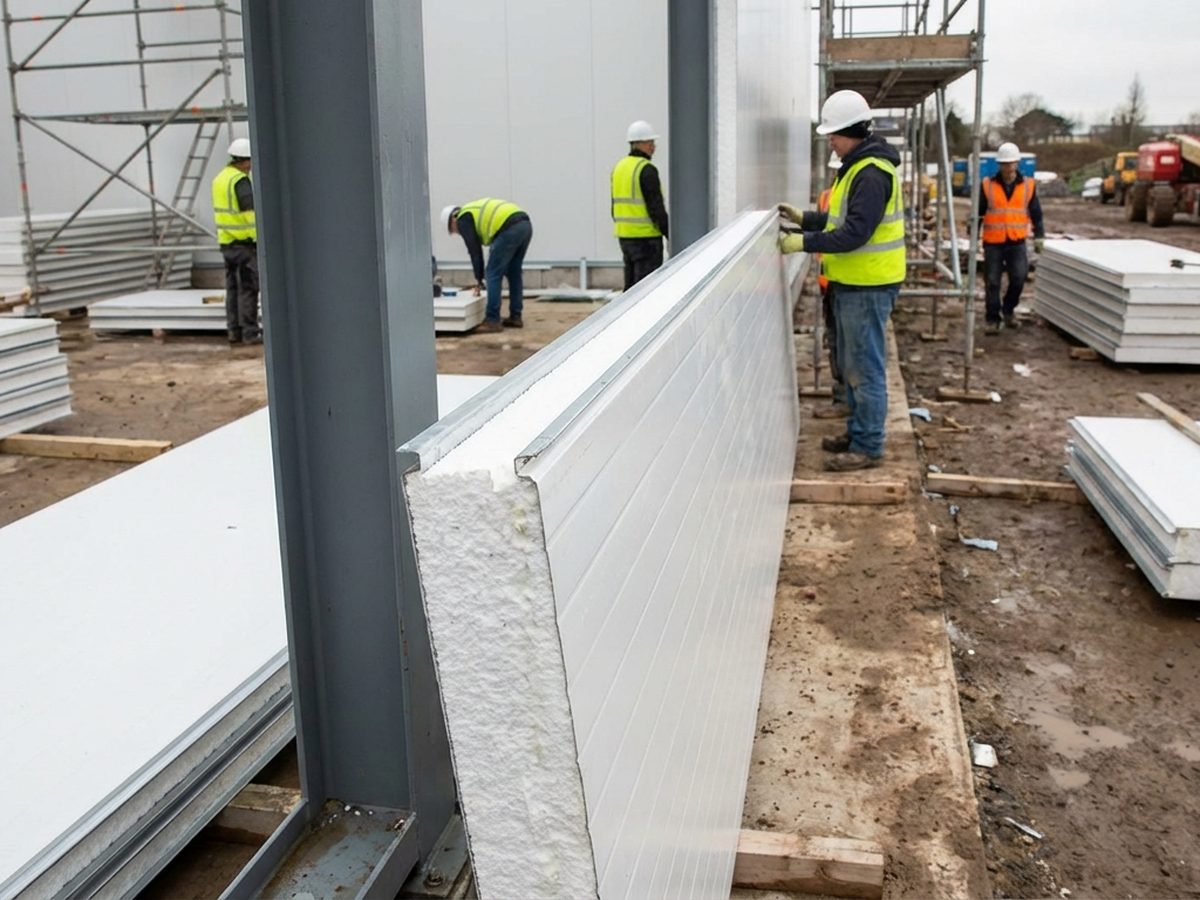
Several early signs of rusty sandwich panels include:
- Brownish or reddish spots on the sheet surface
- Changes in surface texture becoming rough or peeling
- Rusty water stains flowing from panel joints
- Unusual metallic smell in panel areas
- Thinning of protective paint layer
If these signs are ignored, corrosion will spread to wider areas and cause permanent damage.
Main Causes of Corrosion on Metal Panels
Understanding the causes of rust is the first step in prevention. Here are the main factors that cause sandwich panels to rust:
1. High Humidity and Condensation
Indonesia has a tropical climate with average humidity of 70-90%. Temperature differences between inside and outside the building cause condensation on panel surfaces. Water vapor that condenses and adheres to metal sheets creates an ideal environment for corrosion.
2. Salt Exposure and Corrosive Environments
Factories and warehouses in coastal areas face higher risks. Salt particles in sea air accelerate the oxidation process of metal sheets. Certain industries such as food processing, chemicals, or petrochemicals also produce corrosive vapors.
3. Poor Material Quality
Using light steel plates without adequate galvanic protection or insufficient zinc coating thickness is a major trigger. Cheap materials often sacrifice corrosion resistance for lower prices.
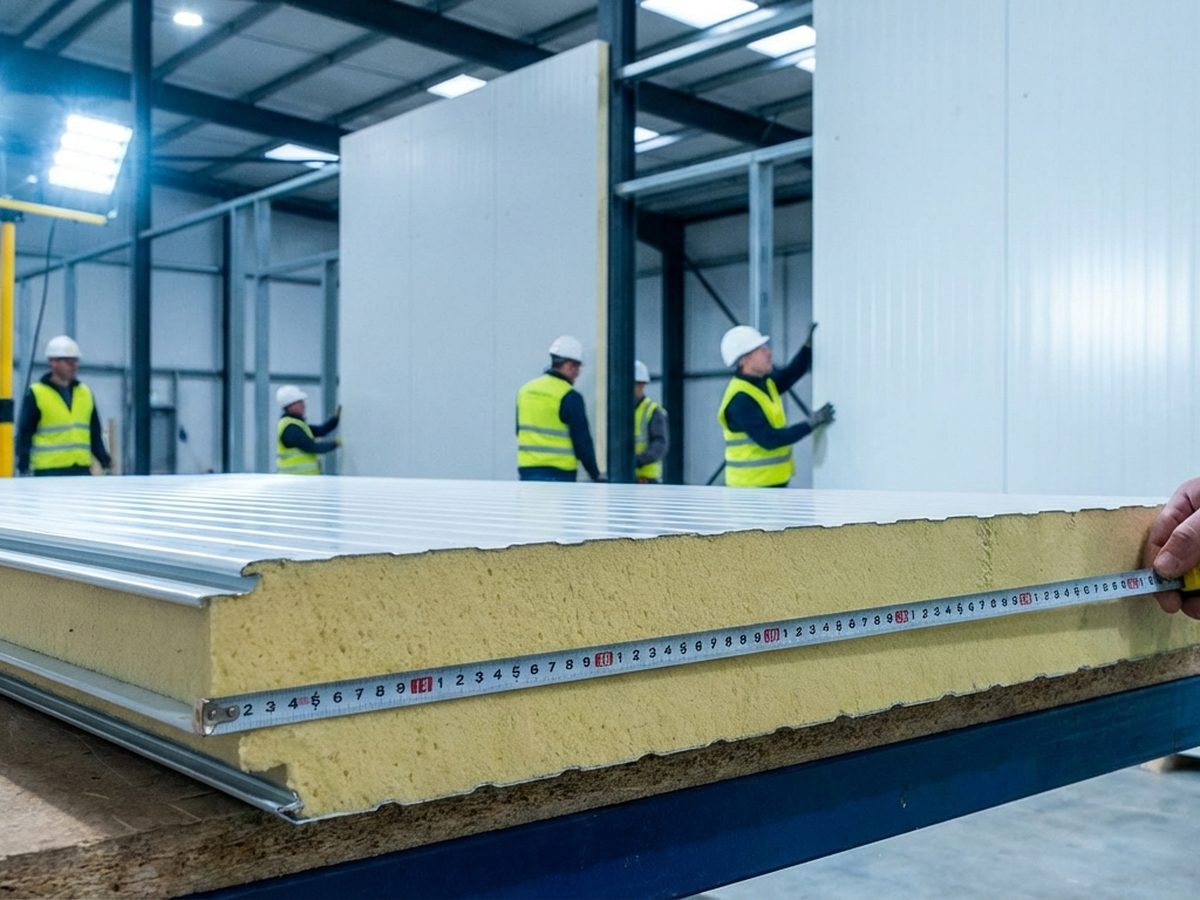
4. Improper Installation
Loose joints, unprotected drill holes, and field-cut panels without edge treatment create entry points for moisture. Construction dust that adheres can also retain moisture.
5. Lack of Regular Maintenance
Industrial buildings are often neglected after construction. Without regular cleaning and inspection, small problems develop into serious damage.
Impacts of Ignored Rust
Ignoring rust problems on sandwich panels can have fatal consequences:
Structural Damage - Corrosion thins metal sheets from outside to inside. In advanced stages, structural strength drops drastically, potentially causing roof or wall collapse.
Reduced Thermal Insulation - Leaks from corrosion damage the insulation core (PU, EPS, or rockwool). HVAC energy efficiency drops, electricity bills increase.
Product Contamination - In food, beverage, and pharmaceutical industries, rust particles can contaminate products and violate hygiene standards.
High Repair Costs - Replacing damaged panels is much more expensive than preventive maintenance. Production downtime costs add to the losses.
Decreased Property Value - Buildings with severe rust lose resale value and company professional image.
Prevention and Maintenance Solutions
Prevention is always better and cheaper than repair. Here are comprehensive strategies to protect sandwich panels from rust:
1. Quality Material Selection
Choose sandwich panels with anti-rust specifications appropriate for the environment:
- For normal areas: AZ150 (Aluminium-Zinc 150 g/m²)
- For mildly corrosive areas: AZ200 or G275 galvanization
- For coastal/industrial areas: Stainless steel 304 or special coating plates
- Ensure plate thickness meets standards (minimum 0.4mm for roofs, 0.5mm for walls)
2. Coating and Protective Paint Application
Paint layers are not just for aesthetics. Use quality coating systems:
- Anti-rust primer (zinc chromate or epoxy)
- Weather-resistant finish paint
- Re-coating every 3-5 years depending on conditions
3. Adequate Ventilation
Reduce condensation with proper ventilation systems. Install ridge vents, turbine vents, or exhaust fans to channel humid air out.
4. Regular Inspection and Cleaning
Schedule regular maintenance:
- Visual inspection every 3 months
- Surface cleaning from dust, leaves, and dirt every 6 months
- Check joints, bolts, and panel cut areas
- Document conditions for change tracking
5. Protection at Critical Points
Pay extra attention to:
- Bolt holes - use washers and sealant
- Cut panel edges - apply edge seal or rust-resistant paint
- Overlap areas - ensure sufficient overlapping and waterproofing
- Wall bottom sections - install flashing or plinth protection
6. Use of Silica Gel or Dehumidifier
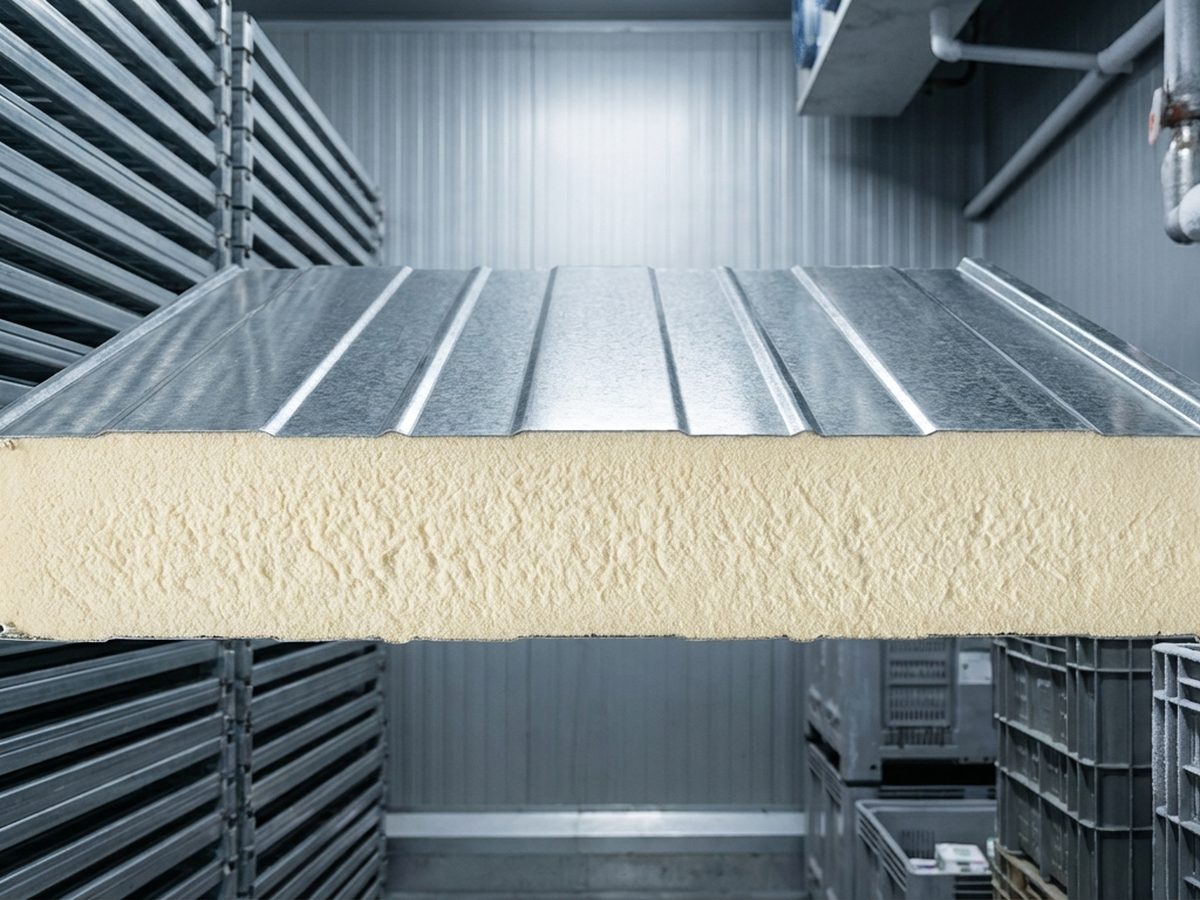
For rooms with strict climate control such as cold storage or cleanrooms, use dehumidifiers to maintain humidity below 60%.
Need quality sandwich panel solutions for your project? Contact our team for free consultation and best offers.
Common Mistakes
Avoid the following common mistakes that accelerate corrosion:
1. Ignoring AC or Pipe Water Drips
Water continuously dripping on one point of the panel creates a corrosion center. Install gutters or drainage to divert water.
2. Stacking Materials Near Wall Panels
Stacking pallets, raw materials, or equipment retains moisture on wall surfaces. Maintain a minimum distance of 30 cm from wall panels.
3. Using Wrong Cleaning Materials
Avoid strong acid or abrasive cleaners that damage protective layers. Use neutral soap and water with low to medium pressure.
4. Delaying Small Damage Repairs
Scratches or small rust spots left untreated will spread. Do immediate touch-up with anti-rust paint.
5. Not Paying Attention to Roof Drainage
Water pooling on flat roofs or clogged gutters increases leak and corrosion risks. Clean gutters regularly.
FAQ: Common Questions About Rust on Sandwich Panels
How long do sandwich panels last before rusting?
With quality materials and proper maintenance, sandwich panels can last 15-25 years. In coastal or corrosive industrial areas, service life may be shorter without extra protection. The main determining factors are the quality of the protective coating (AZ150 minimum for normal areas) and maintenance frequency.
Can rust on sandwich panels be repaired?
Light rust can be addressed with grinding, rust converter application, and re-coating. However, if corrosion has penetrated the plate or damaged the insulation core, panel replacement is the best solution. Early repair is much more economical than replacing entire panels.
How to choose rust-resistant sandwich panels?
Pay attention to protective layer specifications (AZ150 minimum for normal areas, AZ200 for corrosive areas), plate thickness (minimum 0.4mm for roofs, 0.5mm for walls), and manufacturer reputation. Choose panels with minimum 10-year anti-rust warranty and ensure installation is done by a professional team.
Are all types of sandwich panel cores equally vulnerable to rust?
PU (polyurethane) and EPS cores are more vulnerable to leaks because they don't absorb water, but can experience delamination. Rockwool is more fire-resistant but can retain moisture if wet. Outer plate protection remains the key factor in preventing corrosion on all panel types.
Conclusion
Rusty sandwich panel problems can be prevented with quality material selection, proper installation, and regular maintenance. Initial investment for panels with better anti-rust specifications will save long-term costs and extend your industrial building's lifespan.
Don't wait until rust becomes a serious problem. Conduct inspections today and implement preventive maintenance programs. If you need professional help for panel condition evaluation or replacement of damaged panels, our expert team is ready to assist.
View our sandwich panel product catalog with various anti-rust specification options, or contact us now for site surveys and free technical consultation. Protect your building investment with quality panel solutions from PT. Ruida Grup Indonesia.
Related article: Complete Sandwich Panel Maintenance Guide for Maximum Service Life