

What Is a Cleanroom Hermetic Door?
A cleanroom hermetic door is an airtight door specifically designed to maintain differential pressure, prevent cross-contamination, and maintain cleanliness levels in controlled environments. Unlike hospital hermetic doors focused on patient isolation, cleanroom hermetic doors must meet stricter standards for air leakage, surface material, and integration with cleanroom HVAC systems. You can read our comprehensive guide on hospital hermetic door specifications for comparison.
These doors are widely used in pharmaceutical facilities (GMP/CPOB), microbiology laboratories, food processing plants (HACCP), electronics factories, and biotechnology research facilities. In Indonesia, demand for cleanroom hermetic doors continues to grow alongside the pharmaceutical and food industries that require ISO 14644 cleanroom validation. For optimal installation, hermetic doors should be integrated with sterile modular wall panels that also meet pharmaceutical and laboratory standards.
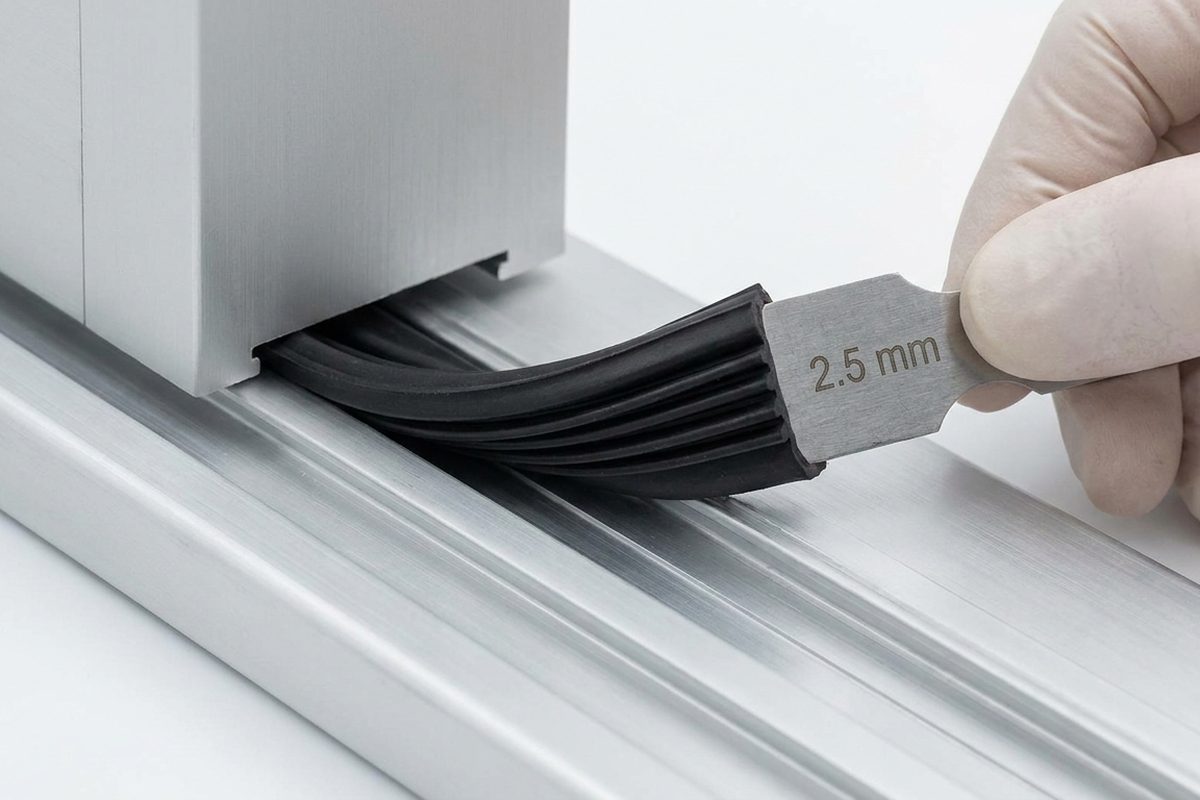
Figure 1: Perimeter seal system on a cleanroom hermetic door using medical-grade EPDM gasket.
Why Cleanrooms Need Hermetic Doors
Cleanrooms operate on positive pressure (or negative for BSL labs) principles with high air change rates. Any door leakage disrupts pressure balance and increases HVAC energy consumption. Here are the key reasons hermetic doors are critical components:
1. Maintain Differential Pressure
ISO 7 (Class 10,000) to ISO 5 (Class 100) cleanrooms require 10-15 Pa positive pressure relative to surrounding areas. Hermetic doors with perimeter gaskets and automatic drop seals maintain this pressure with less than 1% air leakage of total room volume.
2. Prevent Cross-Contamination
In pharmaceutical facilities, pressure differentials between zones (white, gray, black) must be strictly maintained. Hermetic doors with electronic interlock systems prevent two doors from opening simultaneously, preventing contaminated air from flowing into clean areas.
3. HVAC Energy Efficiency
Based on technical data from cleanroom projects in Indonesia, a 2-3 mm gap at the door bottom can increase HVAC load by 15-20%. Hermetic doors with airtight seals reduce conditioned air loss, saving long-term operational costs. Learn more about automatic hermetic door pricing and energy efficiency for a broader market perspective.
Technical Specifications of Cleanroom Hermetic Doors
Material and Construction
- Door leaf: Stainless steel SS304 (grade 304) 1.2-1.5mm thickness for production areas, or mild steel with epoxy coating for non-corrosive areas. Surface must be smooth (Ra less than 0.8 micrometers) with no gaps or exposed joints.
- Core: Aluminum honeycomb, polyurethane (PU), or mineral wool (rockwool) for fire rating requirements EI30-EI120.
- Frame: Stainless steel SS304 or aluminum box profile with EPDM or silicone gaskets. Frame profile must be flush with the wall to prevent dust accumulation.
- Observation window: Double-glazed tempered glass 6mm plus 6mm with stainless steel frame, flush with door surface.
Airtightness System
- Perimeter seal: Medical-grade EPDM or silicone gasket around the door leaf on 3 or 4 sides.
- Automatic drop seal: Mechanical seal that automatically lowers when the door closes, sealing the 5-10mm bottom gap. This is critical for cleanrooms as the bottom gap is the primary leakage point requiring complete closure.
- Magnetic seal: For sliding doors, magnetic strips along the vertical edge ensure maximum tightness.
Opening Mechanism
- Swing door: Standard for ISO 7 and ISO 8 cleanrooms. Equipped with hydraulic closer or spring hinge for automatic closure. Standard dimensions are 900-1200mm width and 2100-2400mm height.
- Sliding door: For ISO 5 and ISO 6 cleanrooms or areas with high material traffic. Motorized with motion sensor or push button activation, with opening speed of 0.3-0.5 meters per second.
- Interlock system: For airlocks and pass-through areas. Includes PLC-based electronic or mechanical control, with delay between openings set to 3-10 seconds and fully adjustable.
Standard Dimensions
| Type | Width (mm) | Height (mm) | Leaf Thickness (mm) |
|---|---|---|---|
| Swing Single | 800-1200 | 2100-2400 | 40-50 |
| Swing Double | 1600-2400 | 2100-2400 | 40-50 |
| Sliding Single | 900-1500 | 2100-2700 | 40-50 |
| Sliding Double | 1800-3000 | 2100-2700 | 40-50 |
Cleanroom Hermetic Door Prices 2026
Prices vary significantly based on material, size, and features. Estimated market prices in Indonesia for 2026:
- Standard SS304 swing door: IDR 8-15 million per unit including frame, gasket, closer, and handle.
- Swing door with observation window: IDR 10-18 million per unit.
- Motorized sliding door in SS304: IDR 25-45 million per unit including motor, sensor, and interlock control.
- Sliding door with drop seal and interlock: IDR 30-55 million per unit.
- Fire-rated door at EI60 standard: Additional IDR 3-8 million above base price.
All prices exclude installation and commissioning. Professional cleanroom contractor installation costs range from IDR 2-5 million per unit depending on complexity. For related cleanroom infrastructure costs, see our guide on cleanroom wall material selection.
Selection Guide
1. Match Your Cleanroom Classification
ISO 8 and ISO 7 cleanrooms typically use swing doors with drop seals. ISO 6 and above require sliding doors with interlocks to minimize air turbulence during operation.
2. Consider the Finishing Material Carefully
For pharmaceutical and food industries, choose stainless steel SS304 with a brushed or Number Four finish. This material resists harsh cleaning chemicals, will not peel or corrode, and is easy to sterilize with standard cleanroom protocols. For non-critical applications, mild steel with epoxy coating offers a cost-effective alternative.
3. Check Certifications and Compliance Standards
- ASTM E283: Air leakage test with maximum rate of 0.3 CFM per square foot at 1.57 psf (75 Pa) differential pressure.
- Fire rating: Must comply with SNI or international standards such as EN 1634-1 for EI60 or EI120 ratings.
- ISO 14644: Full compatibility with cleanroom classification requirements.
- GMP and CPOB: For pharmaceutical facilities, doors must comply with BPOM requirements regarding smooth surfaces, no exposed joints, and ease of cleaning.
Installation and Maintenance Best Practices
Installation requires experienced cleanroom contractors who understand controlled environment construction. Critical installation points include frame must be installed simultaneously with cleanroom wall panel installation, not afterward. Perimeter gaskets need careful alignment verification using feeler gauges. Interlock systems must integrate with the Building Management System (BMS) for differential pressure monitoring. Always perform smoke tests or door pressure tests after installation to verify airtightness.
Routine maintenance includes cleaning gaskets with isopropyl alcohol on a weekly basis, lubricating hinges and sliding mechanisms every three to six months, and performing visual seal inspections monthly. EPDM gaskets typically last two to three years before requiring replacement. Proper maintenance ensures your hermetic door maintains its airtightness rating throughout its service life.
Conclusion
Cleanroom hermetic doors are a critical investment for facilities requiring strict contamination control standards. By selecting doors that match the correct technical specifications, appropriate material requirements, and correct cleanroom classification, you can ensure smooth facility validation and maintain efficient HVAC operational costs throughout the facility lifespan.
FAQ
What is the difference between hospital hermetic doors and cleanroom hermetic doors?
Hospital hermetic doors designed for operating theatres focus on maintaining positive pressure to prevent infection, while cleanroom hermetic doors for pharmaceutical and food industries require strict air leakage control with measured air leakage rates, easy-to-clean surfaces featuring sanitary design principles, and full compatibility with cleanroom HVAC systems.
What is the cheapest cleanroom hermetic door price available in Indonesia?
The most affordable cleanroom hermetic doors made of mild steel with epoxy coating as swing door type start from approximately IDR 5 to 7 million per unit. However, for GMP pharmaceutical compliance using stainless steel SS304 construction, prices start from IDR 10 million per unit.
How do I verify that a hermetic door is truly airtight?
Conduct a door pressure test using a differential manometer after installation. A properly sealed cleanroom hermetic door should have a maximum air leakage of 5 cubic meters per hour at 50 Pa pressure differential for a standard single swing door configuration.