

What Is a Pass Box and Why Is It Critical for Cleanrooms?
A cleanroom pass box is a material transfer device designed to move items between rooms with different cleanliness levels without opening the main room door. If you are building or renovating a pharmaceutical facility, laboratory, or food production area, choosing the right pass box directly affects your contamination control system's effectiveness.
The short answer: a pass box uses a dual-door interlock system that ensures only one door can open at any given time. This mechanism prevents uncontrolled airflow that could carry particulate contaminants into the clean zone.
Without a pass box, every time staff opens a door to bring in raw materials or remove finished products, the room's differential pressure gets disrupted. Dust particles, bacteria, and other contaminants can enter within seconds. In pharmaceutical manufacturing, a single contamination incident can force an entire production batch to be discarded.
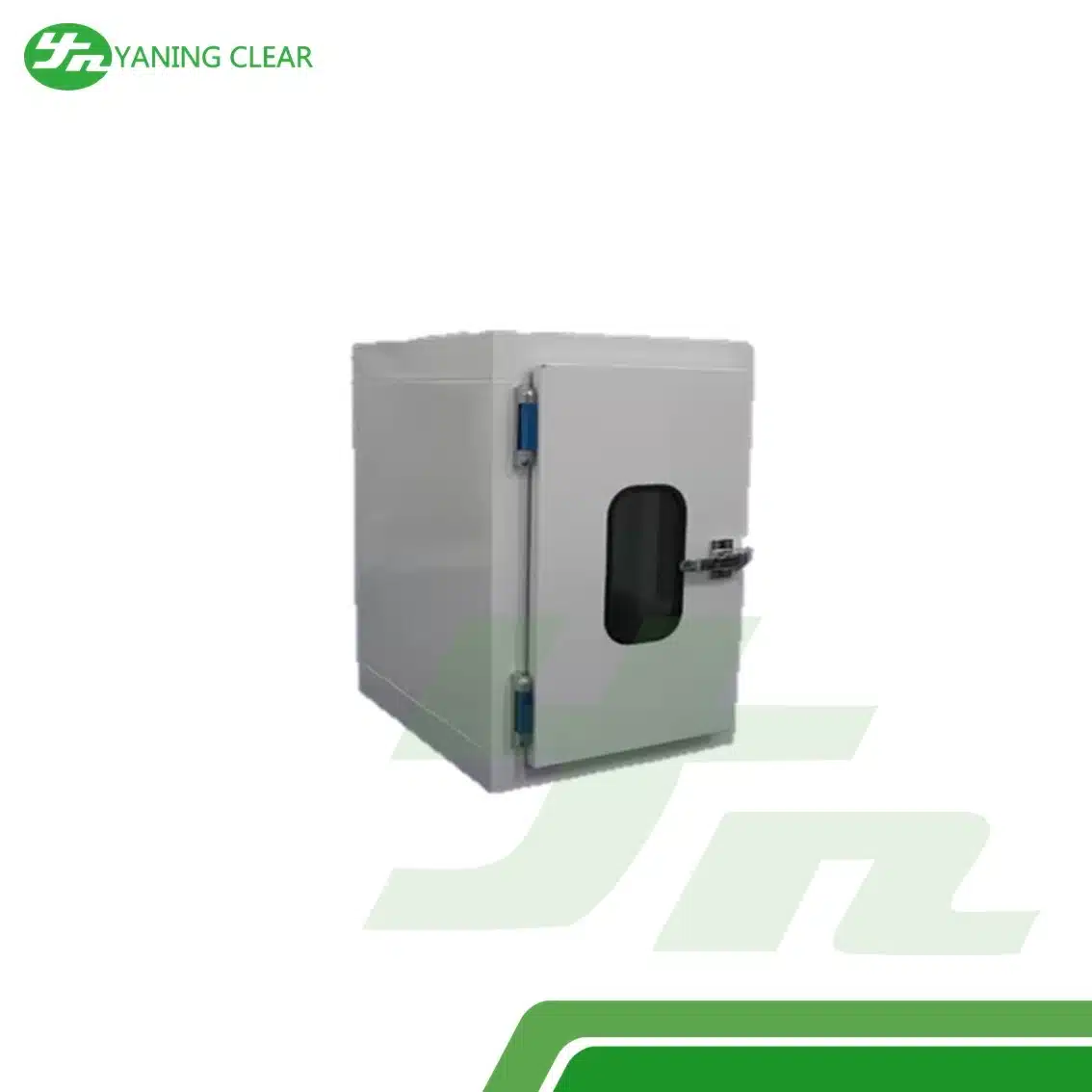
Pass Box Types Based on Interlock Systems
Selecting the right pass box type should match your operational needs and room cleanliness classification. Here are the three main categories you need to understand before making a purchase decision.
1. Mechanical Interlock Pass Box
This type uses a simple mechanical locking mechanism. When one door opens, the opposite door automatically locks physically. Suitable for standard applications where mechanical reliability takes priority over electronic features. Maintenance costs stay low since there are no electronic components to replace.
2. Electronic Interlock Pass Box
This type includes sensors and electronic controls. Indicator lights show door status (open/locked), and some models connect to a Building Management System (BMS). The right choice for facilities that need audit trails and centralized monitoring.
3. Electromagnetic Interlock Pass Box
The most advanced variant with electromagnetic locks, internal UV sterilization, and automatic timers. Some models include HEPA filters to purify air inside the chamber before the clean-side door opens. This is the standard for ISO Class 5 pharmaceutical production rooms and biosafety laboratories.
- Mechanical: low cost, minimal maintenance, suitable for ISO 7-8
- Electronic: monitoring features, audit trail, suitable for ISO 5-7
- Electromagnetic: UV sterilization + HEPA, suitable for ISO 5 and below
Technical Specifications to Check Before Buying
When comparing quotes from multiple suppliers, pay close attention to these specification details. Many buyers focus solely on price, but incorrect specifications can cause long-term operational problems.
Construction Material
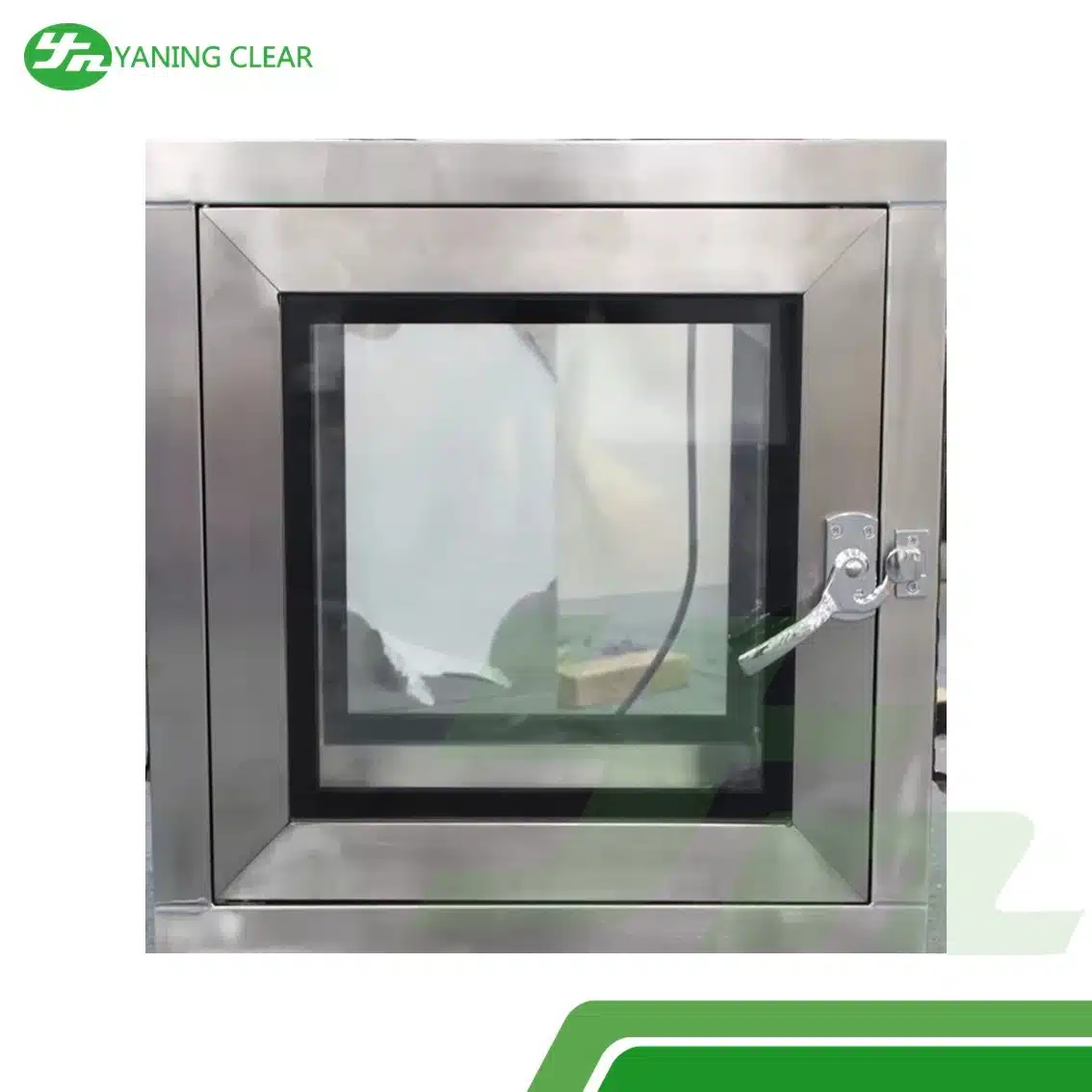
The two primary materials for pass box construction are stainless steel 304 and cold-rolled steel with powder coating. Stainless steel 304 resists corrosion, cleans easily, and meets GMP standards for pharmaceutical use. This material is mandatory for wet areas or rooms handling aggressive chemicals.
Powder-coated steel costs less and works well enough for electronics assembly, dry food handling, or storage warehouses. Make sure the powder coating thickness reaches at least 60 microns for long-term durability.
Dimensions and Load Capacity
Standard pass box sizes range from 500x500x500mm to 1000x1000x1000mm. For large material or pallet transfers, custom models up to 1500mm are available. Also consider the maximum weight the internal shelf can support, especially if you regularly transfer heavy containers.
Filtration System
A dynamic pass box includes a blower and HEPA H13/H14 filter that produces clean airflow inside the chamber. HEPA H14 filtration efficiency reaches 99.995% for particles at 0.3 microns. This feature is critical for material transfers into ISO Class 5 or sterile areas.
Factors Affecting Pass Box Pricing in 2026
Cleanroom pass box prices vary significantly depending on several key factors. Understanding these factors helps you allocate a realistic budget and avoid overspending on unnecessary features.
Material and Stainless Steel Grade
SUS304 pass boxes cost roughly 30-50% more than powder-coated alternatives. If your application involves corrosive environments or strict sanitation requirements, investing in stainless steel pays off through longer service life and lower maintenance costs.
Interlock System and Additional Features
Upgrading from mechanical to electronic interlock adds about 15-25% to the cost. Adding UV sterilization lamps, HEPA filters, and timers introduces components that affect the total price. For an electromagnetic interlock SUS304 pass box, the upfront investment is higher, but you get a system that meets international pharmaceutical standards.
Custom Sizes and Certifications
Non-standard dimensions require custom fabrication that adds lead time and cost. Factory certifications (ISO 9001, CE) also affect pricing because they indicate stricter quality control processes. Make sure the supplier can provide IQ/OQ documentation for installation validation.
- Determine the room classification (ISO 5, 6, 7, or 8)
- Choose materials matching environmental conditions (wet/dry, corrosive/neutral)
- Calculate unit quantity and size based on daily transfer volume
- Compare at least 3 supplier quotes with equivalent specifications
- Check spare parts availability and after-sales service
Pre-Order Checklist for Cleanroom Pass Boxes
Before finalizing your purchase, use this checklist to make sure nothing important gets missed. Selection mistakes at this stage can lead to unnecessary modification costs after installation.
First, confirm the cleanliness classification of both the source and destination rooms. If your transfer moves from ISO 8 to ISO 5, you need a dynamic pass box with HEPA, not a standard static pass box. Second, measure the largest material dimensions you will transfer, then add at least 100mm on each side for clearance.
Third, ask the supplier about warranty and availability of local service technicians. A pass box from a supplier with a local service network in Indonesia is far more practical than a direct import without support. Fourth, request test reports and material certificates before payment.
Fifth, verify that electrical voltage and frequency are compatible (220V/50Hz for Indonesia). For facilities requiring a pass box with electronic interlock for pharmaceutical laboratories, also confirm BMS compatibility with your existing system.
FAQ: Common Questions About Cleanroom Pass Boxes
What is the difference between a static and dynamic pass box?
A static pass box functions only as a transfer chamber with an interlock and no active filtration system. A dynamic pass box includes a blower and HEPA filter that produces clean airflow inside the chamber. Choose a dynamic model if transfers occur between areas with significant cleanliness class differences (for example, ISO 8 to ISO 5).
How long does a cleanroom pass box last?
With routine maintenance, a stainless steel pass box can last 15-20 years. Components that need periodic replacement include door gasket seals (every 2-3 years), UV lamps (every 8,000-10,000 operating hours), and HEPA filters on dynamic pass boxes (every 1-3 years depending on environmental conditions).
Is a pass box mandatory for GMP certification?
GMP (Good Manufacturing Practice) requires strict cross-contamination controls. A pass box is not the only solution, but it is the most practical and cost-effective way to meet material transfer requirements between different cleanliness zones in pharmaceutical facilities.
Conclusion: Next Steps for Your Project
Choosing the right cleanroom pass box requires understanding your facility's specific needs, from room classification and transfer volume to construction material and budget. Do not be tempted by low prices without checking specifications and long-term reliability.
If you are planning a cleanroom, laboratory, or pharmaceutical production facility and need technical consultation about the right pass box, contact our technical team via WhatsApp to get recommendations and the best pricing.