

What Is Laminar Air Flow and Why Does It Matter for Cleanrooms?
Laminar Air Flow (LAF) is a unidirectional airflow system designed to maintain a contamination-free working environment. If you are planning a cleanroom, pharmaceutical laboratory, or hospital operating theatre, a LAF unit is not optional — it is the core component that determines whether your room meets ISO 14644-1 Class 100 (ISO 5) or not. This guide covers every aspect of LAF systems: types, technical specifications to evaluate, and current pricing in Indonesia for 2026.
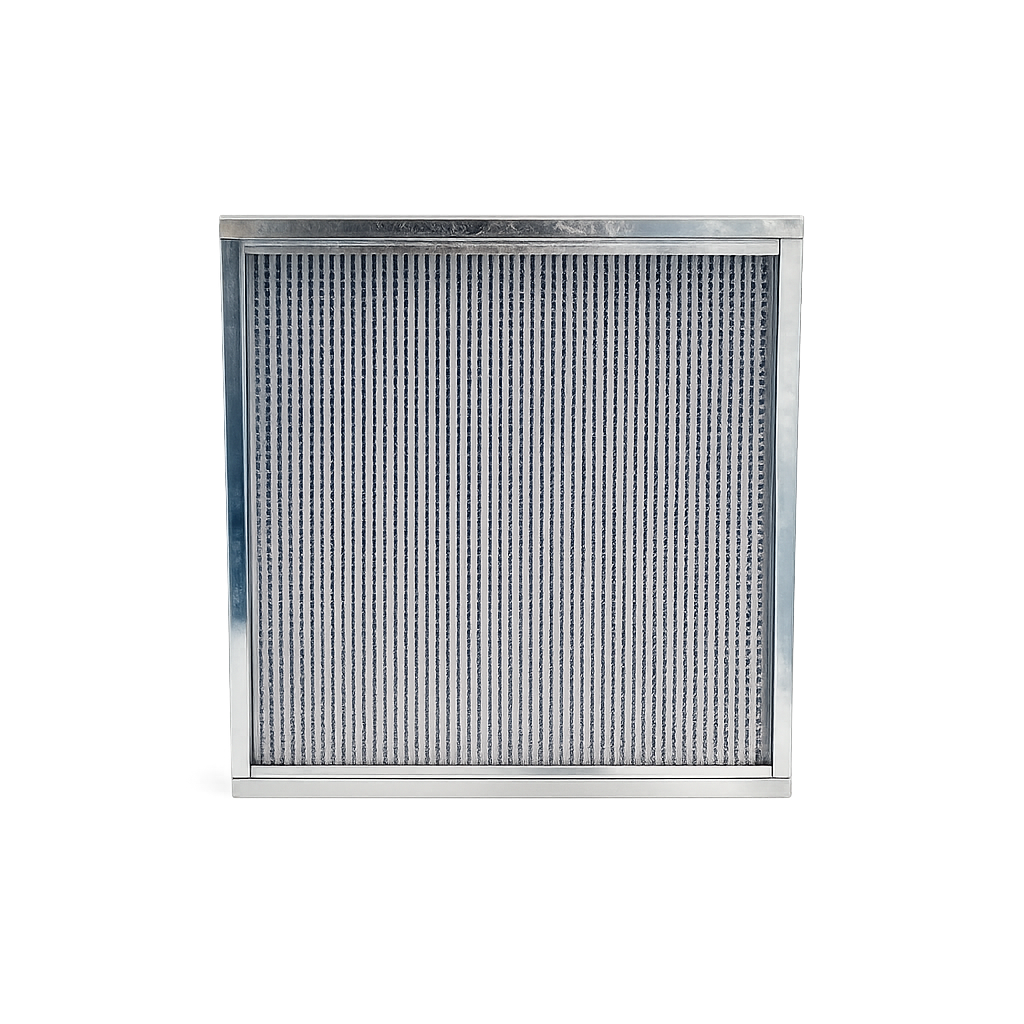
Short answer: LAF works by pushing air through HEPA H14 filters (99.995% efficiency) in a single direction (unidirectional flow), sweeping particulate contaminants away from the work zone. Available in horizontal and vertical configurations, pricing starts from approximately USD 1,500 to USD 9,000 depending on size and specifications.
Types of Laminar Air Flow Units
LAF systems are categorized into two main types based on the direction of their airflow. Choosing the right type depends on your specific application and the nature of work performed inside the cleanroom or workbench.
1. Horizontal Laminar Air Flow (HLAF)
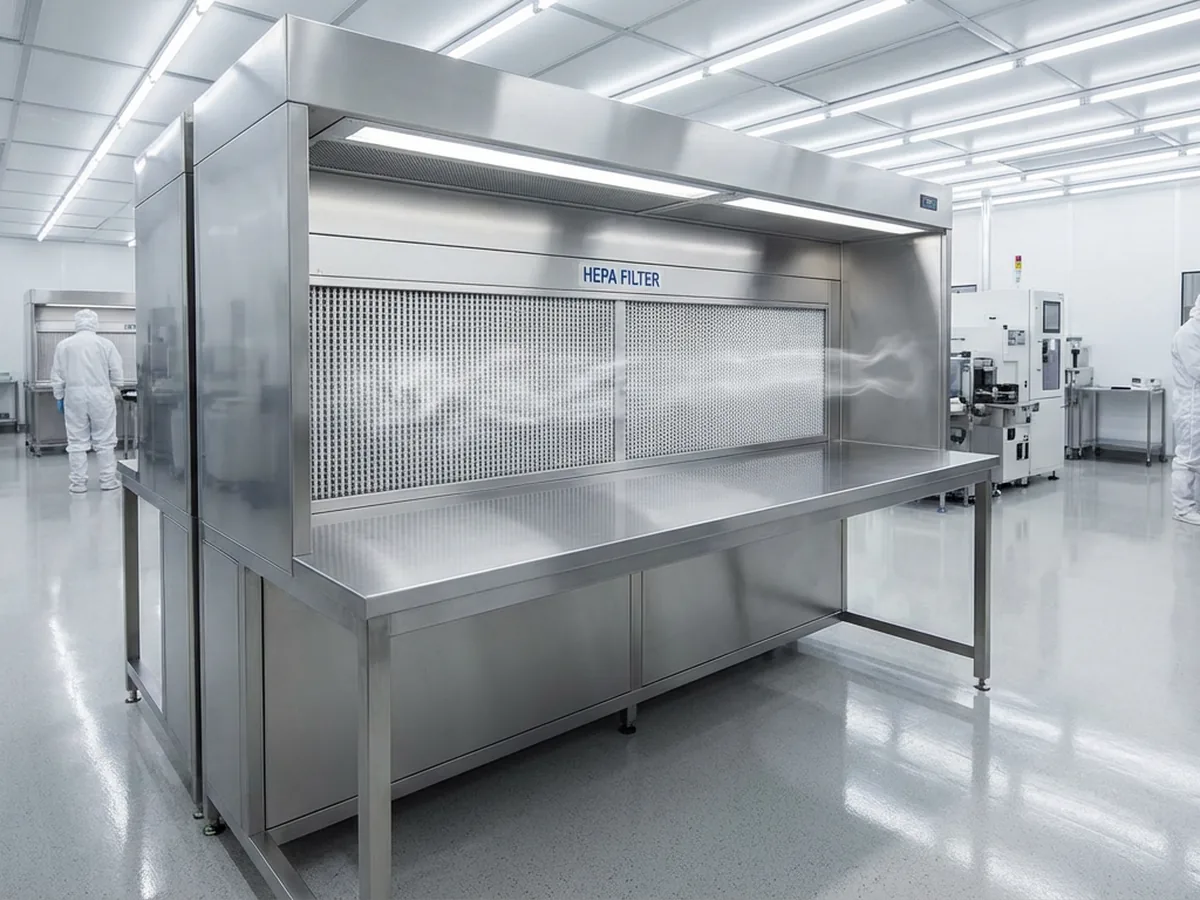
In an HLAF unit, clean air that has passed through the HEPA filter flows horizontally from the rear of the unit toward the operator. This configuration is suitable for work involving large objects that should not receive airflow from above, such as electronics assembly, optical device testing, and microbiology sample preparation.
The advantage of HLAF is a larger work area since the filter is mounted at the back rather than overhead. However, the drawback is that contaminants from the operator's hands can be carried toward the sample because the airflow moves from back to front.
2. Vertical Laminar Air Flow (VLAF)
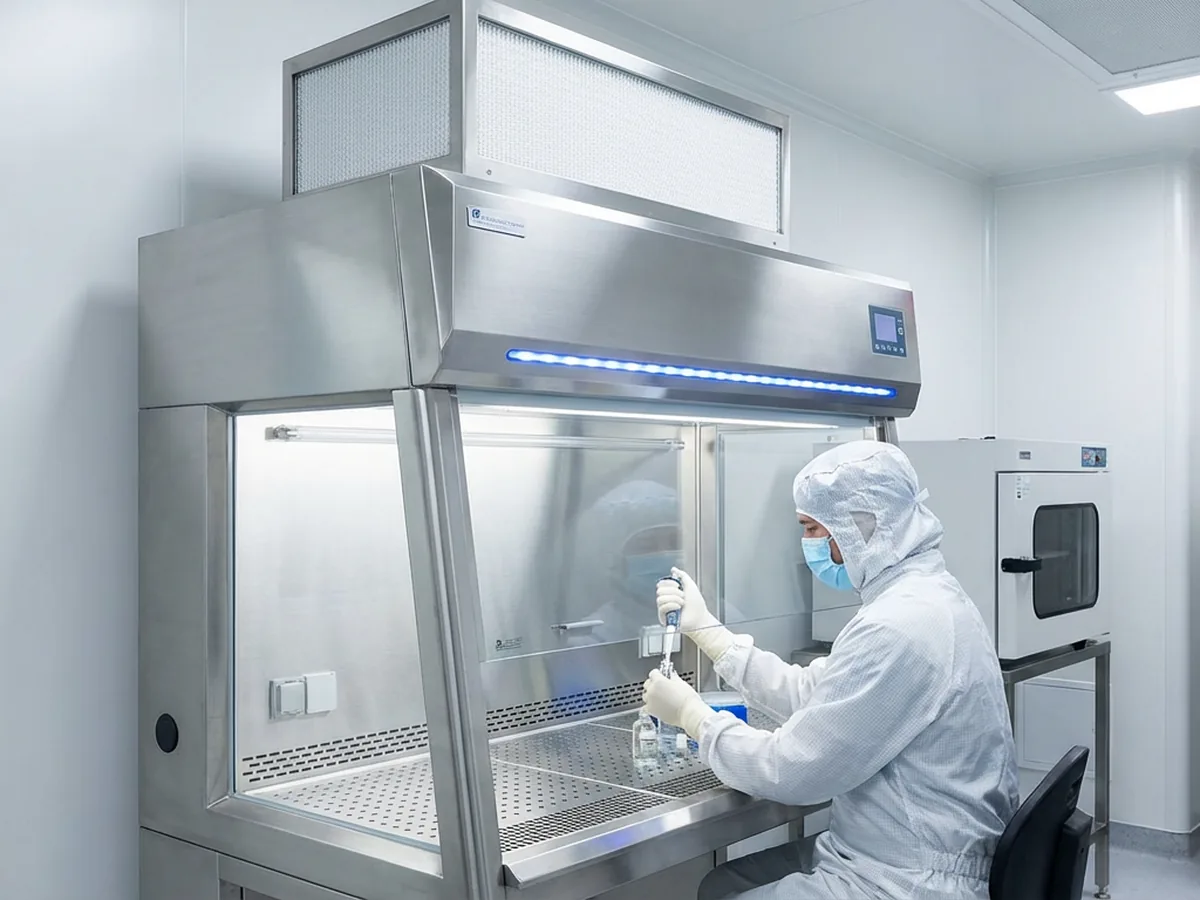
VLAF pushes clean air downward from above through a HEPA filter mounted in the ceiling of the unit. This type is more commonly used in pharmaceutical manufacturing, hospitals, and cell culture laboratories because contaminants from the operator's hands are swept downward, away from the work zone. VLAF is available as workbench units and ceiling-mounted systems for operating theatres. For surgical applications, we offer Laminar Flow Ceiling systems for operating theatres compliant with ISO 5, covering areas from 2.4 m × 2.4 m up to 3.0 m × 3.0 m.
Technical Specifications to Evaluate Before Purchasing
Selecting the right LAF unit goes beyond price comparison. Several critical technical parameters determine whether the unit actually meets your cleanroom requirements:
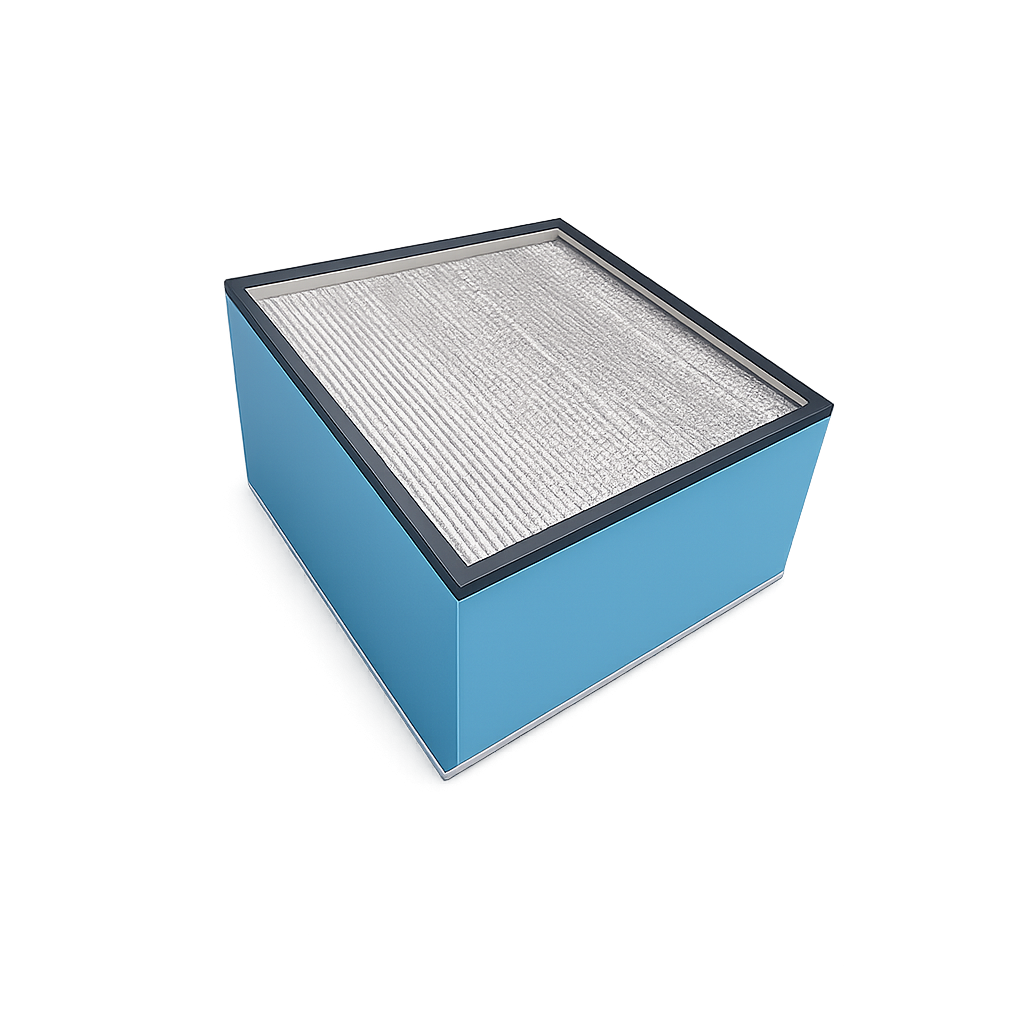
- HEPA/ULPA Filter Grade: Minimum H14 (99.995% efficiency at 0.3 µm MPPS) for ISO Class 5. For stricter applications like sterile pharmaceuticals, ULPA U15 (99.9995%) may be required.
- Airflow Velocity: FDA and WHO guidelines recommend 0.36–0.54 m/s (average 0.45 m/s ± 20%) measured at the work surface. Too slow allows particles to settle; too fast creates turbulence.
- Effective Work Area: Standard sizes are 2 ft (600 mm), 4 ft (1200 mm), and 6 ft (1800 mm). Choose based on daily work volume and the number of operators working simultaneously.
- Construction Material: Stainless steel 304 or 316L for contact surfaces, epoxy or powder coating for the frame. SS316L is mandatory for pharmaceutical environments requiring intensive sanitization.
- Noise Level: Maximum 65 dB(A) for operator comfort. Premium units typically operate below 58 dB(A).
- Pre-filter: A G4 or F5 pre-filter system extends HEPA lifespan from 3 years to 5+ years, saving significant filter replacement costs.
Factors Affecting LAF Pricing in Indonesia
Laminar Air Flow pricing in the Indonesian market varies considerably. The main factors influencing cost include:
- Unit size: A 2 ft LAF (compact, single operator) starts from approximately USD 1,500–2,500, while a 6 ft unit (3 operators) can reach USD 5,000–9,000.
- Filter grade: Standard HEPA H14 versus ULPA U15 — the price difference can be 20–35% higher for ULPA.
- Stainless steel grade: SS304 is more economical; SS316L adds 15–25% to the cost but is mandatory for pharmaceutical applications.
- Control systems: Units with differential pressure indicators, airflow velocity displays, and alarm systems cost 10–15% more than basic models.
- Certification and validation: Units pre-supplied with calibration certificates and IQ/OQ documentation add 5–10% but save commissioning time.
To receive an accurate quotation tailored to your project specifications, contact our technical team via WhatsApp for a free consultation.
LAF Applications Across Industries
LAF systems serve virtually every industry requiring contamination-free environments. Here are the primary applications by sector:
Pharmaceutical and Biotechnology
Manufacturing sterile drugs, injectables, and vaccines requires an ISO Class 5 environment at the critical zone (Grade A per EU GMP Annex 1). LAF workbenches are used for aseptic filling, sterility testing, and media preparation. Ceiling-mounted LAF systems serve filling lines and isolators. Each unit must be validated with particle count testing and smoke pattern testing per ISO 14644-3.
Hospitals and Operating Theatres
Orthopedic, cardiovascular, and organ transplant surgeries require ultra-clean air to minimize surgical site infection risk. Laminar Flow Ceiling systems are engineered specifically for operating theatres, delivering uniform air distribution across the entire surgical table area in compliance with HTM 03-01 and DIN 1946-4 standards.
Electronics and Semiconductor Manufacturing
Chip assembly, wafer processing, and PCB testing require ISO Class 5 or even Class 1 cleanrooms. VLAF ceiling systems cover entire production areas, while HLAF workbenches serve inspection and rework stations. Strict particle control prevents defect rates that could cost millions of dollars per batch.
Research Laboratories
Cell culture, PCR preparation, and sensitive sample handling use LAF as part of biosafety protocols. It is important to note that LAF differs from a Biosafety Cabinet (BSC): LAF provides only product protection by pushing clean air toward the work zone, whereas BSC provides product protection, operator protection, and environmental protection. For work involving BSL-2 or higher biological agents, use BSC Class II, not LAF.
Pre-Order Checklist for Laminar Air Flow
Before placing your LAF order, verify these critical points to avoid costly specification mismatches:
- Determine cleanroom classification: What ISO Class is required? This dictates the filter grade (HEPA or ULPA).
- Choose airflow orientation: Horizontal (HLAF) or Vertical (VLAF)? Consider the type of work and the operator's hand position relative to the sample.
- Measure available space: Ensure unit dimensions fit your cleanroom or laboratory layout. Include clearance for filter maintenance access.
- Check utility requirements: Power supply (220V/380V), compressed air (if applicable), and drain points. Verify room electrical capacity before ordering.
- Request certifications: LAF units must include factory test reports, HEPA integrity test results (DOP/PAO test), and airflow velocity mapping.
- Budget for maintenance: Allocate costs for pre-filter replacement every 3–6 months and HEPA filter replacement every 3–5 years. HEPA replacement costs range from USD 200–900 per filter depending on size.
We offer Horizontal and Vertical Laminar Air Flow Clean Bench units rated ISO Class 100 (ISO 5), complete with HEPA H14 filters, pre-filters, and digital control systems. All units include factory testing and are ready for on-site validation.
FAQ: Frequently Asked Questions Before Purchase
How long does a HEPA filter last in a LAF unit?
HEPA filter lifespan depends on environmental conditions and usage frequency. Under normal operating conditions with well-maintained pre-filters, HEPA filters last 3–5 years. Replacement indicators include a pressure drop increase exceeding 2× the initial value or airflow velocity dropping below 0.36 m/s even at maximum blower setting.
Can LAF replace a Biosafety Cabinet?
No. LAF and Biosafety Cabinets serve fundamentally different functions. LAF provides only product protection by directing clean air toward the work area. BSC provides three types of protection: product protection, operator protection, and environmental protection. If your work involves BSL-2 or higher biological agents, use BSC Class II, not LAF.
What is the monthly electricity cost of operating a LAF unit?
A standard 4 ft LAF unit consumes approximately 200–350 Watts. Operating 8 hours per day for 22 working days, monthly consumption is about 35–62 kWh. At industrial electricity rates of approximately USD 0.09/kWh, the monthly operating cost ranges from USD 3–6 — relatively low compared to filter replacement costs.
How to Choose the Right LAF Supplier
When sourcing a Laminar Air Flow supplier in Indonesia, evaluate these criteria to protect your investment:
- Ensure the supplier has engineers who understand ISO 14644, EU GMP, and Indonesian pharmaceutical regulations (CPOB/CPOTB) — not just resellers.
- Prefer a one-stop solution provider: cleanroom panels through LAF units and accessories from a single source, reducing inter-component compatibility risks.
- Request validation-ready units with factory test reports and on-site calibration support included.
- Verify domestic availability of HEPA filter spare parts so maintenance is never delayed.
- Compare quotes from multiple suppliers and verify there is no excessive distributor markup.
Conclusion and Next Steps
Laminar Air Flow is a critical investment for maintaining cleanliness and regulatory compliance in cleanrooms, laboratories, and operating theatres. Selecting the right unit requires understanding airflow types (horizontal vs vertical), filter grades, construction materials, and your industry-specific requirements. Do not be tempted by the cheapest option without considering total cost of ownership, including filter maintenance and validation expenses.
Ready to plan your LAF requirements? Contact our technical team now via WhatsApp for a free consultation and the best pricing. We are ready to help from specification planning through installation and validation.