

The term invisiblepanel is commonly used to describe panel systems that look cleaner on the surface and keep joints visually quieter. In real projects, the term often overlaps with hidden-screw sandwich panels, flush wall assemblies, or concealed panel doors designed to blend into the main wall surface.
If you are searching for invisiblepanel for a warehouse, factory office, clean space, or commercial facade, the decision should never be based on appearance alone. The system still needs to be durable, weather resistant, maintainable, and practical to install on site.
The short answer is this: invisiblepanel makes sense when your project needs a cleaner architectural expression without sacrificing installation speed and thermal performance. But the specification must match the real application area, support frame, joint detail, access-door requirement, and maintenance expectation.
- Cleaner facade rhythm with fewer visual distractions
- Better fit for modern architectural detailing
- More discreet access-door integration when needed
- Thermal performance can still be maintained with the right core and thickness
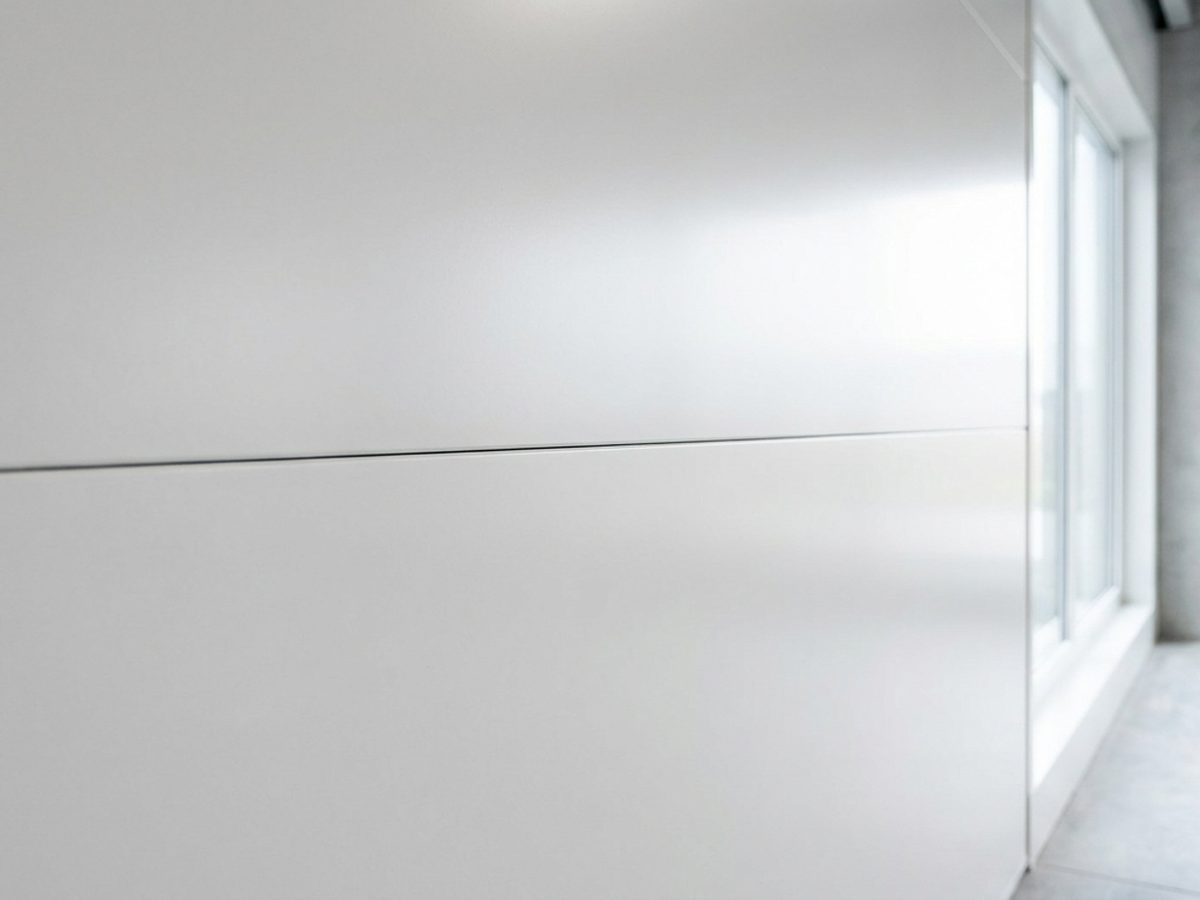
What Invisiblepanel Usually Means in Sandwich Panel Projects
Invisiblepanel is not always a fixed technical label across all suppliers. Some contractors use it to describe wall panels with hidden fasteners. Others use it to describe concealed panel doors that sit flush with the surrounding wall.
That is why a procurement brief should never stop at the keyword itself. The project team should define the final function clearly: do you need a cleaner exterior facade, a visually quiet internal wall, or a service door that blends into a modular panel system?
In many practical cases, the closest reliable route is the hidden screw panel system. It reduces the visual impact of exposed fixings and creates a calmer surface compared with standard exposed-fastener assemblies. Invisiblepanel, however, often carries a higher expectation: a more flush visual line, a quieter joint expression, and details that help the door or access panel disappear into the wall composition.
The most important takeaway is that invisiblepanel should be treated as a system decision, not as a single sheet product. The panel, the subframe, the concealed door hardware, the flashing detail, and the joint seal strategy all need to work together. A rendering may show a perfect seamless wall, but real performance depends on buildability.
Why Buyers and Designers Search for Invisiblepanel
Most searches for invisiblepanel begin with a visual problem. Architects want a facade that feels premium instead of industrial. Owners want clean reception zones, corporate elevations, or interior walls that support a more modern identity. Contractors sometimes need a concealed service opening without breaking the design rhythm of the wall.
In each of those cases, the value of invisiblepanel lies in the combination of function and visual control. The benefits usually show up in several areas: the facade looks calmer, the panel line works better with modern detailing, the building keeps the installation advantages of a sandwich panel system, and the finished result supports brand perception in high-visibility areas.
That said, a cleaner facade is also less forgiving. Slight waviness, uneven support rails, or small gaps at the joint become more visible when the system aims for a flush appearance. Invisiblepanel therefore rewards good detailing and punishes weak installation control. Buyers should expect tighter coordination, not just a prettier marketing label.
Invisiblepanel vs Standard Hidden Screw Panel
Invisiblepanel can be understood as a design objective, while a hidden screw panel is one of the most realistic technical routes to reach that objective. A hidden screw system reduces visible fixing points and makes the wall surface more refined than conventional exposed-fastener panels.
Invisiblepanel often pushes that expectation one step further by asking for cleaner joint rhythm, more discreet access points, and sometimes concealed doors that sit almost flush with the surrounding panel field. If the project only needs a cleaner industrial facade, an outdoor panel solution with the right hidden-screw detail may already be enough.
But if the project expects a near-seamless visual result or a concealed door integrated into the wall plane, the team must discuss framing, hardware, maintenance access, and installation tolerance much more seriously. That is why it helps to look at invisiblepanel as a realistic performance-and-appearance brief rather than a magical category.
Best-Fit Applications
Invisiblepanel works best in projects that need both building-envelope function and higher visual quality. Typical examples include front elevations of factory offices, commercial facades, clean service corridors, concealed access doors, premium interior partitions, and visible project zones where the owner wants a modern and controlled appearance.
For purely back-of-house industrial zones, the same premium detail is not always necessary. A smart cost strategy is to use the cleaner system only in high-visibility areas and a more standard panel approach elsewhere. This hybrid method keeps the architectural benefit where it matters most while protecting budget efficiency on secondary elevations.
If the project is still comparing options, reviewing the sandwich panel product catalog first is a practical step. It helps separate the need for visual refinement from the need for insulation, weather performance, or specific industrial use.
Technical Points to Confirm Before Ordering
Before ordering invisiblepanel, confirm the actual application zone: dry interior, semi-exterior, full exterior, or weather-exposed facade. Then confirm panel thickness, insulation core, support-frame straightness, joint rhythm, and whether a concealed access door is truly required.
A visually clean wall is only possible when the support system is equally controlled. If the frame is out of tolerance, the cleaner surface will reveal the problem instead of hiding it. Next, review the sealant strategy, flashing details, replacement access, and long-term maintenance plan.
Exterior applications especially need a realistic conversation about thermal movement, water management, and inspection access. Buyers with the best outcomes usually ask for joint-detail sketches, reference photos, and a sample assembly before making a final decision. That step reduces the gap between marketing language and field reality.
Common Specification Mistakes
The most common mistake is assuming that invisiblepanel means exactly the same thing at every supplier. That usually creates short briefs and confusing quotations. Another common mistake is focusing entirely on the front view while ignoring service access, maintenance, and joint control at corners or door openings.
Some teams also specify a very refined visual target even though the supporting structure is not precise enough to deliver it. A different mistake is applying the most premium detail to every elevation, even where no one will see it. That raises cost without improving project value.
There are also projects that save money on the wrong components, such as flashing, sealants, or concealed hardware. In a cleaner facade system, those smaller components often decide whether the final result looks intentional or unfinished. The best specification is balanced: refined in appearance, realistic in construction, and manageable over the life of the building.
Frequently Asked Questions
Is invisiblepanel the same as a hidden screw panel?
Not exactly. A hidden screw panel is a technical fastening approach, while invisiblepanel is usually a broader design goal involving cleaner surfaces, quieter joints, and in some cases concealed access-door details.
Can invisiblepanel be used outdoors?
Yes, but only when the joint design, sealing strategy, flashing, and support frame are designed for exterior conditions. Weather exposure increases the importance of movement tolerance and maintenance access.
Is invisiblepanel more expensive than standard panel systems?
Usually yes. The extra cost is often related to tighter installation tolerance, more careful detailing, and sometimes special hardware rather than the panel sheet alone.
How should buyers choose the right supplier?
Choose a supplier who can explain the system in detail, show relevant references, and define what can realistically be built. A clean-looking concept only works when the technical detail behind it is equally clear.
Conclusion and Next Step
If you are searching for invisiblepanel, the right decision is not simply about finding the trendiest term. It is about choosing a panel system that can deliver a cleaner facade, quieter joints, and reliable access detail without creating unrealistic installation risk.
For many projects, the safest starting point is to review hidden-screw and premium exterior panel solutions, then refine the joint and door details based on where the building needs a more architectural finish. Before you compare prices, align the target appearance, application zone, maintenance needs, and tolerance expectations so that price comparison becomes more meaningful.