

A cleanroom HEPA filter is the final-stage filter used to stop very fine particles before air enters a critical room. For most projects, buying HEPA filters is not just a matter of comparing unit prices. The smarter check is whether the filter matches the cleanliness class, tested efficiency, frame size, initial pressure drop, airflow demand, and the housing or terminal box already installed on site.
This guide is written for engineering teams, procurement staff, QA managers, cleanroom contractors, and facility owners comparing HEPA filters for pharmaceutical rooms, hospitals, electronics lines, laboratories, and controlled packaging spaces. The goal is practical decision-making: understand filter types, read the specification sheet correctly, estimate the real cost, and avoid the purchasing mistakes that usually reduce cleanroom performance.
The short answer is simple. The right HEPA filter is the one that delivers verified filtration efficiency, fits the system without leakage, and keeps pressure loss within a reasonable operating range. The cheapest unit can look attractive at quotation stage, but it often costs more later through higher fan load, shorter replacement cycles, and contamination risk.
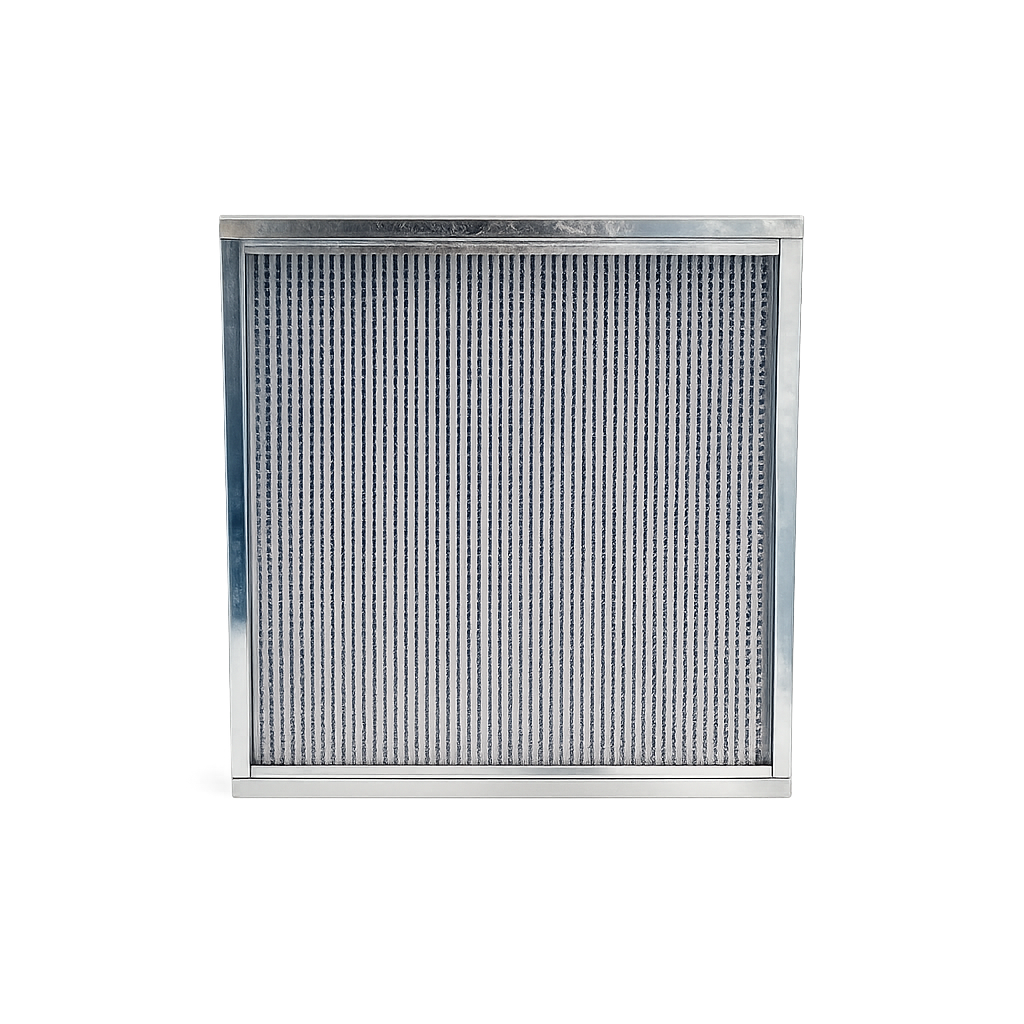
What is a cleanroom HEPA filter and where is it used?
HEPA stands for high efficiency particulate air filter. In cleanroom applications, the filter is placed at the final stage so the supply air entering the controlled space has already passed through high-grade particle removal. Many buyers know the popular figure of 99.97 percent efficiency at 0.3 micron, but real project selection should also check the classification method, usually EN 1822 or ISO 29463.
HEPA filters are used where particle control matters to product quality, sterility, or process stability. Typical examples include pharmaceutical production, filling lines, modular operating theatres, microbiology labs, hospital isolation areas, electronics assembly, and selected food processing zones. In those spaces, a basic coarse filter is not enough because fine particles can still reach the working area.
A HEPA filter never works alone. It depends on the upstream pre-filter stage, medium filter stage, fan, housing, ducting, pressure monitoring, and room air balance. That is why a good buying decision treats HEPA as part of the full air control package instead of a standalone spare part purchase.
If you want to compare common final-stage options, review the HEPA Air Filter Panel and the Deep Pleat HEPA Filter. Those product pages help you see the difference between frame construction, filter depth, and installation use cases.
The filter stages that usually sit before and after HEPA
One of the most common mistakes in cleanroom projects is paying attention only to the final HEPA stage while ignoring the filters upstream. In practice, HEPA life depends heavily on the quality of the pre-filter and medium-filter stages. If coarse dust and medium-size particles are not removed earlier, the HEPA filter loads faster and the pressure drop climbs sooner than expected.
A typical filtration sequence in HVAC and cleanroom systems looks like this:
- Pre-filter for coarse dust and larger particles.
- Pocket or medium filter for intermediate particle loading.
- Final HEPA filter for very fine particles in critical areas.
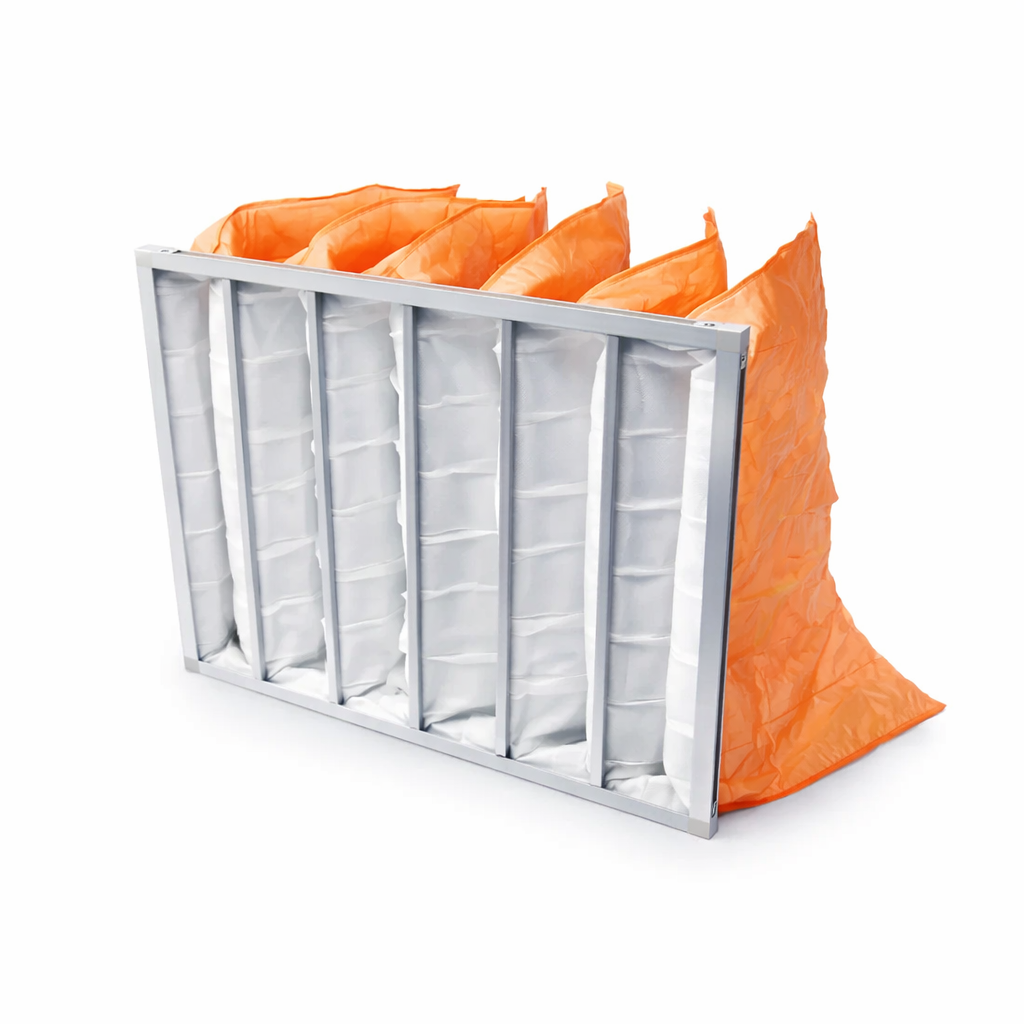
For the medium stage, the Pocket Air Filter is a common choice because the larger media area supports better dust holding than a simple flat filter. The right pre-filter plus pocket-filter setup can extend HEPA life and keep replacement costs under control.
The final HEPA design also depends on how the unit will be installed. Mini pleat filters are often selected when operators want a large media area in a compact frame with more efficient airflow behavior. Deep pleat filters still make sense in applications that use traditional construction or need a certain airflow profile. The right answer depends on housing size, plenum space, maintenance access, and the target operating pressure.
Supporting equipment also affects cleanliness results. If people or materials move in and out frequently, units such as the Single-Person Air Shower and the Interlock Pass Box Static can reduce contaminant transfer before the air reaches the process zone. They do not replace HEPA filtration, but they strengthen the contamination-control strategy.
How to read a HEPA filter specification before buying
Start with efficiency and test standards. Many buyers stop at the word HEPA without checking how the performance was verified. A clean label is not enough. Ask whether the filter is rated under EN 1822, ISO 29463, or another relevant standard. If available, request data around the most penetrating particle size because that is the point commonly used to validate filter performance.
Next, confirm the physical dimensions. Sizes such as 610 x 610 x 292 millimeters are common, but many projects use custom frames. A frequent field problem is poor frame tolerance against the housing, which prevents the gasket from sealing correctly. Even a small edge leak can damage system performance although the filter media itself is good.
Then check the initial pressure drop. This figure directly affects fan demand and energy use. A filter with very high resistance may still work, but it increases operating cost. On the other side, a pressure figure that looks unrealistically low without clear test data deserves scrutiny. Technical teams usually prefer numbers that are believable, consistent, and supported by a complete specification sheet.
Also review the frame, separator, and gasket materials. Aluminum alloy works well for many standard cleanroom applications. Galvanized steel or stainless steel becomes more relevant when temperature, corrosion, or sanitation requirements are stricter. These material choices affect structural stability, transport durability, and replacement handling during maintenance.
Finally, ask for the rated airflow capacity. A HEPA filter is not judged by efficiency alone. If the real airflow in operation is higher than the filter design, service life can drop and local leakage risk increases. The filter data has to be read together with the AHU, FFU, BFU, or terminal housing design already planned for the project.
What drives cleanroom HEPA filter pricing in 2026?
Cleanroom HEPA filter pricing in 2026 does not come from one universal number. Cost changes with filtration class, dimensions, frame material, order volume, and delivery requirements. A small standard unit for general use is different from a high-temperature filter, a terminal HEPA outlet, or a filter built around a special housing. In many projects, the annual energy cost matters more than a small difference in purchase price.
If you are building a budget, break the cost into three parts. The first is the filter unit price. The second is installation, balancing, or leak-testing cost if required. The third is operating cost, including extra fan energy caused by pressure drop and downtime during replacement. This method gives a more useful financial picture than comparing quotations by unit price alone.
Buying strategy matters when a project has many supply points. Some buyers select one premium model for every position, even where the area is not equally critical. Others push price too hard and accept a filter below the room requirement. Both choices can waste money. A better approach is to match filtration stages and final filter grade to the actual risk profile of each zone.
When asking for a quotation, send the following data:
- Filter size and airflow direction.
- Requested efficiency class or test standard.
- Housing type or terminal box in use.
- Application details such as pharma, hospital, or electronics.
- Quantity, lead-time target, and whether a test certificate is required.
With that information, the supplier can recommend a more accurate option and reduce the chance of ordering the wrong filter. For many procurement teams, getting the right specification quickly is more valuable than chasing the lowest price in the first round.
When should a HEPA filter be replaced?
Replacement should not be based on the calendar alone. The safer practice is to monitor differential pressure, integrity-test results, and room cleanliness trends. If pressure drop keeps climbing beyond the design limit, or if the filter fails an integrity check, the unit needs review. Facilities with heavy upstream dust load usually replace filters sooner than rooms protected by strong pre-filtration.
Other warning signs include harder fan operation, weaker air distribution, or worsening particle counts in the controlled space. These symptoms do not always mean the HEPA filter is damaged, but they are strong enough to trigger inspection. Disciplined maintenance teams usually log monthly pressure trends so replacement decisions are based on evidence instead of guesswork.
The replacement procedure itself also matters. A good new filter can lose performance if the gasket, clamp, or frame is installed carelessly. Serious cleanroom operators therefore treat filter selection, maintenance SOP, and technician training as one quality-control package rather than separate tasks.
FAQ: Common questions before buying a HEPA filter
Are all HEPA filters suitable for cleanrooms?
No. The term HEPA is used loosely in many markets. For cleanroom work, you still need to confirm efficiency class, test method, dimensions, pressure drop, and housing compatibility. Two products can look similar but perform very differently in a critical room.
Is mini pleat better than deep pleat?
Neither is automatically better in every case. Mini pleat filters are often chosen for compact design and efficient media use. Deep pleat filters still fit some applications well. The better option depends on the housing, airflow target, maintenance access, and acceptable system pressure drop.
Can a HEPA filter work well without pre-filters and medium filters?
It can be installed, but it is not efficient for long-term operation. Without earlier filtration stages, the HEPA filter takes a higher particle load, pressure rises faster, and service life becomes shorter.
How can I request a more accurate quotation?
Send the filter size, efficiency class, airflow, frame material, quantity, and the room application. If you have housing drawings or supply-point layouts, attach them as well. Better input produces a better technical recommendation and a better price offer.
If you are preparing a new project or a replacement schedule for a critical room, compare filter specification, system configuration, and room cleanliness target at the same time. For a practical review of airflow, filter grade, and suitable product options, contact our technical team on WhatsApp before you lock the purchase.