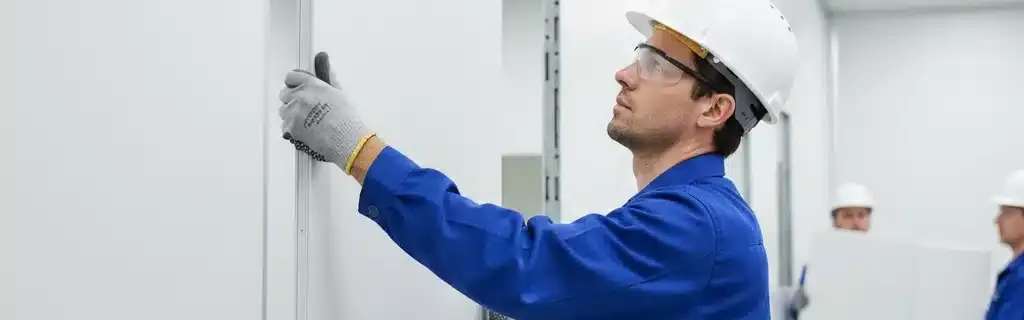

Introduction: The Exhausting Problem of Roof Leaks
For warehouse or factory owners in Indonesia, roof leaks are a yearly nightmare, especially during the rainy season. The issue isn't just water entering; it's the risk of stock damage, short-circuiting production machinery, and disruption of daily operations. Many have tried patching with various coatings or replacing metal sheets, but leaks often return within months. This repetitive cycle costs money, time, and stress.
This article is for business owners, operations managers, and contractors looking for a permanent roof leak solution. We will discuss why sandwich panels are the best answer to replace fragile conventional roofing systems. You will learn about technical advantages, long-term cost comparisons, and how to install them correctly to ensure your building remains dry for decades. Understanding the physics of leaks is the first step toward a permanent fix.
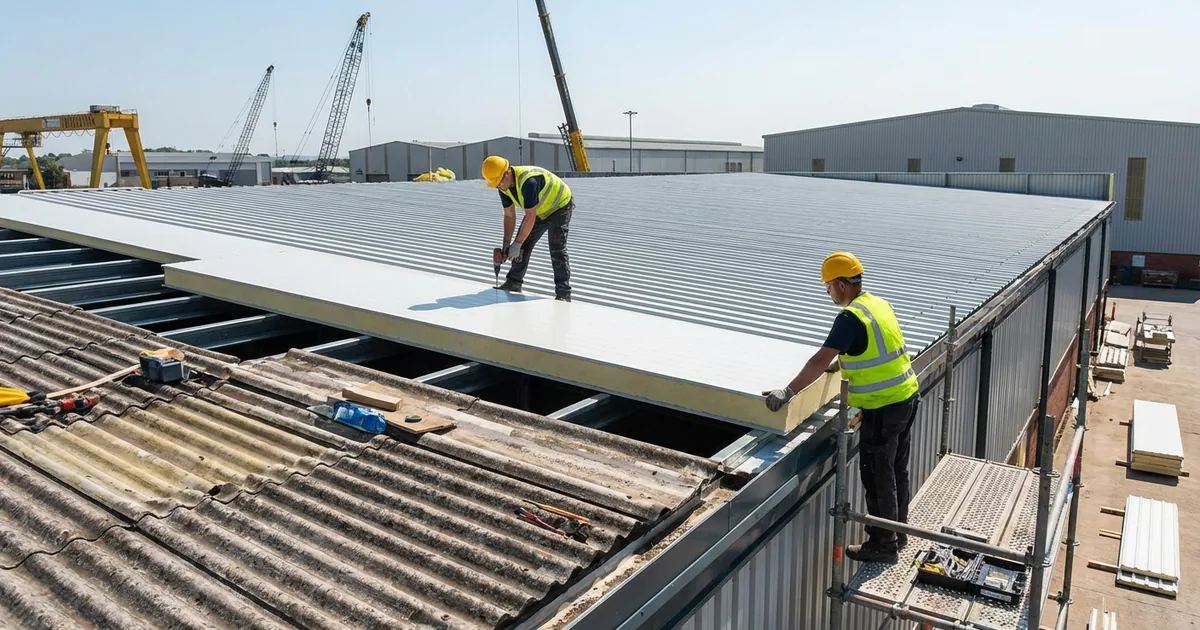
Why Do Conventional Roofs Leak So Often?
Before moving to the solution, we must understand the root of the problem. Commonly used corrugated metal or asbestos sheets have several systemic weaknesses that lead to failure over time:
1. Corrosion at Screw Holes
Screws in conventional roofing directly penetrate the metal sheets. Over time, the rubber seals on screws harden and crack due to intense tropical solar heat and UV radiation. Water then enters through these small gaps and causes rust around the hole, which gradually expands until the screw no longer holds effectively. Industrial pollution also accelerates this oxidation process significantly.
2. Extreme Thermal Expansion and Contraction
Single-layer metal is highly sensitive to temperature changes. During a hot afternoon, the roof can reach temperatures up to 70°C and expand significantly. At night, it cools and contracts. This constant 'breathing' movement pulls on screws and sheet overlaps, creating permanent gaps for rainwater to find its way in. Conventional sheets have no way to absorb or dampen this movement.
3. Condensation and Humidity
Often what is perceived as a 'leak' is actually condensation. Hot and humid air inside the building meets the cold roof surface during a rainstorm, creating water droplets on the underside of the roof. Thin roofing lacks the thermal barrier (thermal bridge) needed to prevent this drastic temperature difference, leading to 'raining' inside the building even if the roof is structurally intact.
Sandwich Panels as an Anti-Leak Roofing Solution
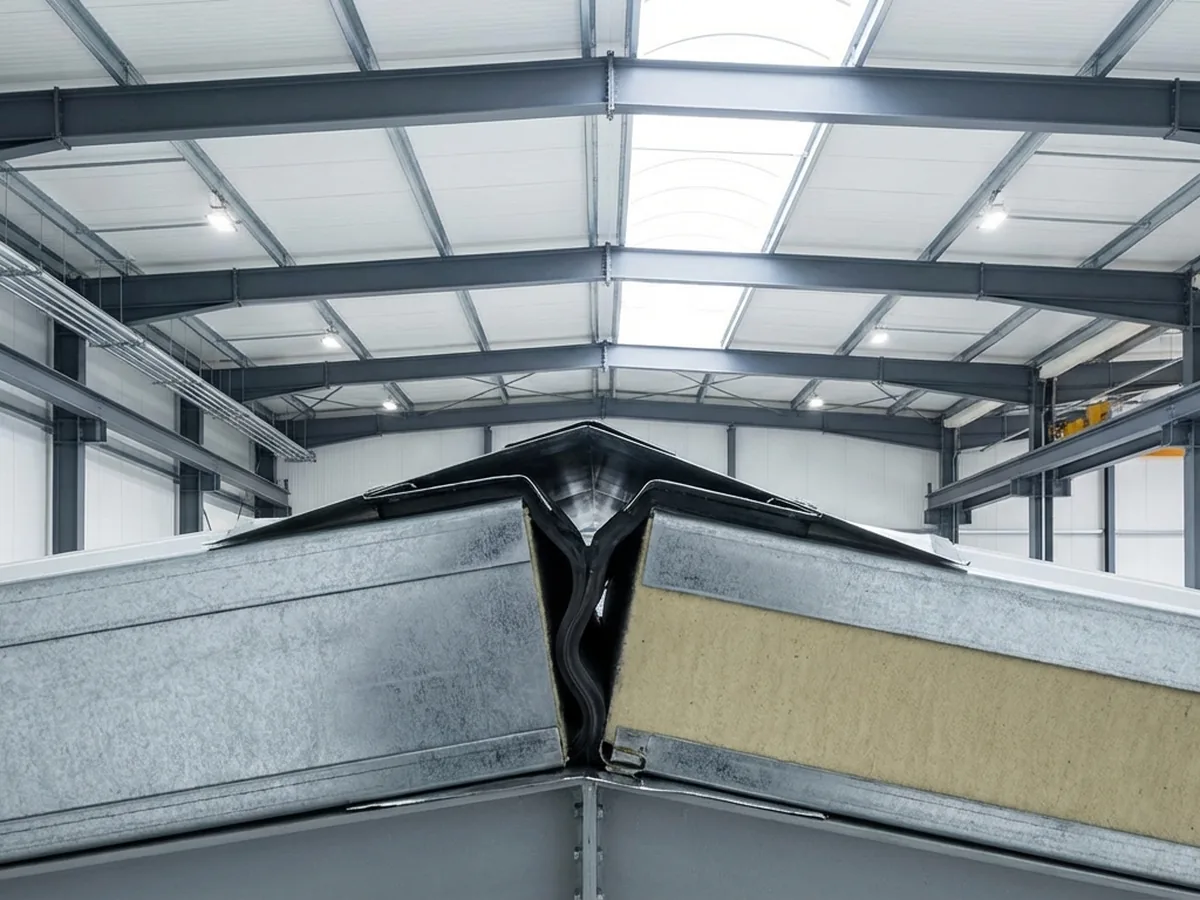
A sandwich panel is not just an ordinary metal sheet. It consists of three layers: two sheets of lightweight steel (skin) sandwiching a solid insulation material (core). This structure provides a multi-layered defense against water, heat, and even noise pollution from heavy rain.
Advantages of Interlocking Joint Systems
One of the main reasons why sandwich panels are a permanent roof leak solution is their sophisticated joint system. Unlike corrugated roofing which is simply overlapped, sandwich panels use a special interlocking or overlapping system with caps that hide screws within the joints. Some advanced systems even use boltless clamping. This drastically reduces the number of water penetration points exposed to the elements.
Resistance to Extreme Weather
The insulation material in the center of the panel acts as a thermal expansion damper. The outer and inner layers of the panel do not move as extremely as single metal roofs because the temperature is kept more stable by the insulation core. This maintains joint integrity for many years, ensuring the waterproof seal remains intact despite the harsh tropical climate.
Choosing the Right Core for Your Roof
Selecting the appropriate core material is vital for the performance and longevity of your roof system:
- EPS (Expanded Polystyrene): Lightweight and highly cost-effective. Ideal for general warehouses or commercial buildings where moisture resistance is the primary concern.
- PIR (Polyisocyanurate): An upgraded version of PU insulation. It offers superior fire resistance and the highest thermal performance. Highly recommended for pharmaceutical factories or cold chain storage.
- Rockwool: The gold standard for fire safety (non-combustible). While heavier, it provides the best protection against fire spread and excellent acoustic insulation.
Choosing the right material requires an understanding of your building's structural load capacity. You can refer to our guide on how to calculate sandwich panel requirements for more technical insights.
Comparison: Metal Roofing vs Sandwich Panels
To understand why this is a smart investment, let's look at a technical comparison in the table below:
| Feature | Single Metal Roofing | Sandwich Panel |
|---|---|---|
| Lifespan | 5-10 Years | 20-30 Years |
| Leak Risk | High (at screws/joints) | Very Low (interlocking system) |
| Heat Insulation | Almost None | Excellent (Low U-Value) |
| Load Strength | Flexible/Weak | Rigid and Very Strong |
| Maintenance | Frequent (re-coating/re-sealing) | Minimal |
| Install Speed | Standard | Very Fast |
Proper Installation Steps for Sandwich Panel Roofing
To achieve a truly leak-proof and durable result, the installation process must follow strict technical standards. Here is a summary of the critical steps:
1. Structural Frame Preparation
Ensure that the purlins or roof frames are perfectly aligned and have a minimum slope of 5-10 degrees. Too shallow a slope will cause water pooling, which puts unnecessary pressure on the joints and increases the risk of seepage over time.
2. High-Quality Sealant Application
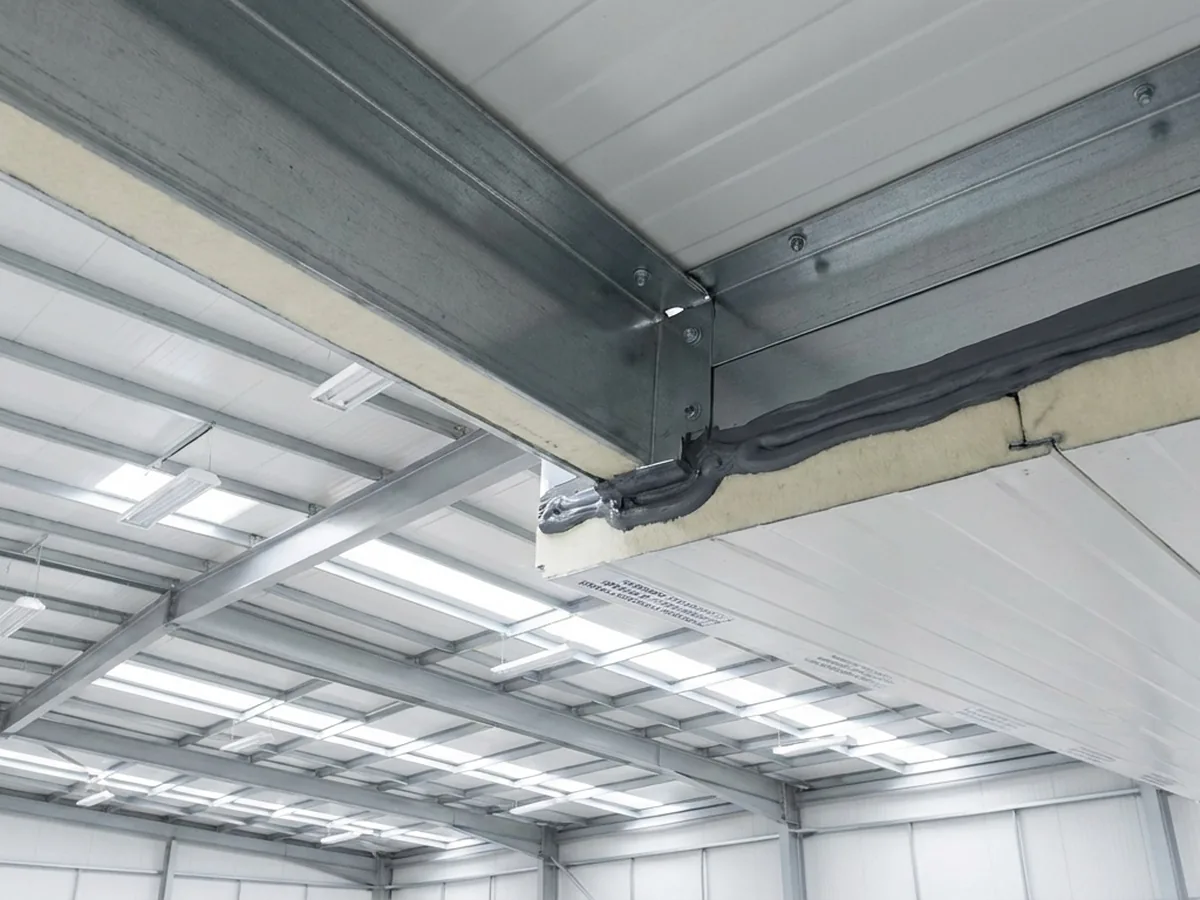
Even with an interlocking system, applying high-quality neutral-cure silicone sealant at every overlap is mandatory. This provides a secondary defense layer against water pressure during extreme storms.
3. Precision Flashing and Capping
Critical areas like the ridge, gutters, and wall joints must be covered with custom flashing. This flashing should be made from the same material as the panel skin to prevent galvanic corrosion and ensure a perfect fit.
Common Pitfalls to Avoid
Many sandwich panel failures are not due to the material itself but human error during installation:
- Using Wrong Screws: Using screws without proper UV-resistant rubber washers or screws that are too short to securely grip the structure.
- Cutting with Angle Grinders: Sparks from grinders can burn the protective coating of the steel. Always use cold-cut saws or nibblers.
- Leaving Metal Filings: Iron shavings left on the roof after drilling will rust quickly and damage the panel surface. Always clean the roof thoroughly after installation.
For more detailed techniques, please visit our installation guide.
Cost Analysis: Initial Investment vs. Lifetime Savings
While the initial cost of sandwich panels is higher than ordinary metal roofing, the Total Cost of Ownership (TCO) over 5-10 years tells a different story. It is a classic case of 'buying once' versus 'repairing forever'.
Real Saving Factors:
- Zero Annual Maintenance: No need to allocate budgets for roof patching every rainy season.
- Energy Savings: Temperatures under sandwich panels can be 5-10 degrees lower, significantly reducing cooling costs.
- Asset Protection: Keeps your goods safe from water damage and high humidity, preventing stock rejects.
- Construction Speed: Reduces labor costs because installation is much faster due to the large panel modules.
Check our latest price estimates on the sandwich panel price per meter 2026 page.
FAQ: Questions About Sandwich Panel Roofing
Can sandwich panels be installed over an existing roof?
Yes, this is known as over-roofing. It is a popular method for warehouse renovation as it doesn't require stopping the operations inside. You install a sub-frame over the old roof and then lay the panels.
What if the panels get scratched during installation?
Scratches should be immediately touched up with specific anti-rust paint of a matching color to prevent corrosion from starting at those points.
How long does it take to replace a 1000m2 roof?
With a professional team of 10 people, replacing a 1000m2 roof typically takes about 7-10 working days, depending on weather and building height.
Conclusion
Fixing roof leaks permanently requires a shift in mindset from 'patching' to 'building the right system'. Sandwich panels are the ultimate investment for those who value business continuity and asset security.
Don't let your company's productivity be hindered by roof issues that can be solved completely. Adopt sandwich panel technology for maximum operational comfort and efficiency.
Want a free site survey for your warehouse roof? The expert team at SandwichPanels.id is ready to visit your site, perform measurements, and provide the best technical recommendations. Contact us now via WhatsApp for a permanent roofing solution.