

The Critical Role of Temperature Control in the 2026 Cold Chain
In 2026, Indonesia's food and pharmaceutical logistics industries are experiencing rapid growth. The need for efficient cold storage is no longer just an accessory but the very foundation of business success. One of the most critical components in building these facilities is the cold storage sandwich panel. Without proper insulation, electricity costs will skyrocket, and the quality of stored products will be compromised.
Why use specific sandwich panels for cold storage? Unlike standard warehouse panels, those designed for cold rooms feature higher material density and specialized jointing systems (like cam-locks or advanced interlocking) that are significantly tighter to prevent temperature leakage. In this guide, we will explore technical specifications, the latest pricing estimates, and tips for choosing the right materials to ensure your investment lasts for years.
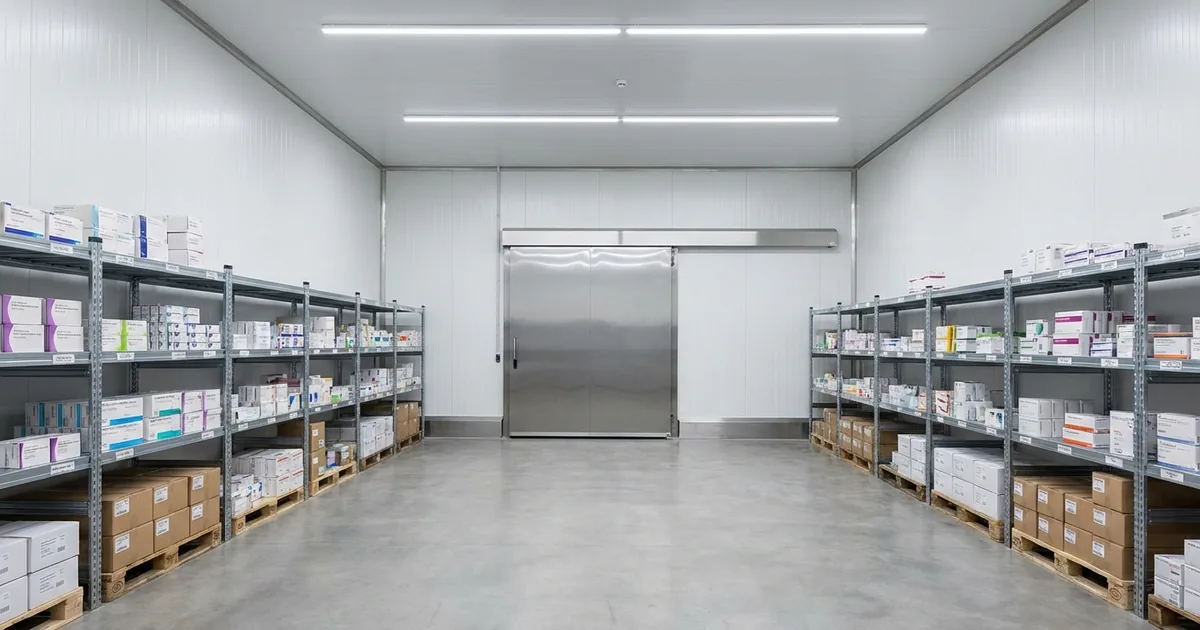
For those planning a cold room construction, understanding the differences between various insulation materials is a crucial first step. Let's start by looking at why sandwich panels are the top choice for professional contractors.
Why Sandwich Panels Are the Ultimate Cold Storage Solution
Many novice entrepreneurs try to use conventional brick walls lined with manual styrofoam. However, this method is highly inefficient and prone to mold growth. Sandwich panels offer a prefabricated solution that is superior in several key aspects:
1. Exceptional Thermal Efficiency
The core of a sandwich panel is usually made of Polyurethane (PU) or Polyisocyanurate (PIR). These materials have very low thermal conductivity, meaning external heat practically cannot enter the room. This keeps the compressor unit working lighter and saves up to 40% on electricity consumption compared to conventional methods.
2. International Hygiene Standards
Cold storage walls must be easy to clean and must not absorb odors. The outer layer of sandwich panels uses Food Grade PPGI (Pre-Painted Galvanized Iron) steel plates. Their smooth, flat surface prevents bacteria and mold from thriving, complying with HACCP and GMP standards for the food and medical industries.
3. Rapid Modular Installation
Time is money. Building cold storage with sandwich panels takes days, not months. The interlocking system allows panels to be installed with high precision, ensuring no micro-gaps that could cause condensation or frosting.
Technical Specifications for Cold Storage Sandwich Panels
Choosing the wrong panel thickness is a fatal mistake. If the panel is too thin for the target temperature, the cooling machine will work non-stop and fail prematurely. Here is a standard guide to specifications based on room type:
A. Based on Core Material
- Polyurethane (PU): The gold standard for cold storage. Features a high R-Value and excellent dimensional stability.
- Polyisocyanurate (PIR): An upgraded version of PU with better fire-rated properties. Highly recommended for pharmaceutical warehouses or facilities requiring high fire protection.
B. Based on Panel Thickness and Target Temperature
| Panel Thickness | Operational Temperature Range | Intended Use |
|---|---|---|
| 50 mm - 75 mm | +5°C to +15°C | Processing Room, Packing Area, Ante Room |
| 100 mm | 0°C to -15°C | Chiller Room (Fruits, Vegetables, Dairy) |
| 125 mm - 150 mm | -18°C to -25°C | Cold Storage Freezer (Meat, Fish, Frozen Food) |
| 200 mm | -35°C to -40°C | Blast Freezer / Quick Freezing Room |
It is important to note that the steel plates used should ideally have a minimum thickness of 0.45 mm or 0.50 mm to provide structural strength, especially if the wall height exceeds 4 meters.
Cold Storage Sandwich Panel Pricing Analysis 2026
Sandwich panel prices in Indonesia fluctuate based on global steel and chemical raw material prices. In 2026, we see price stabilization but with increased demand for PIR-type panels. Here are the estimated prices (material only) for your budget reference:
- Estimated Price for 100mm PU Panel: Rp 450,000 - Rp 550,000 per m².
- Estimated Price for 100mm PIR Panel: Rp 550,000 - Rp 680,000 per m².
- Estimated Price for 150mm Freezer Panel: Rp 650,000 - Rp 780,000 per m².
*Note: Prices are estimates for standard order volumes and may change based on project location and specific requirements like stainless steel plates.
Savings Tip: Don't just compare the price per linear meter. Calculate the total energy efficiency generated. Cheaper panels often lead to bloated monthly electricity bills due to poor insulation.
Installation and Maintenance Guidelines
Poor installation will ruin the benefits of high-quality sandwich panels. Here are the critical points to supervise during the construction process:
- Perfect Sealant Application: Every joint between panels must be sealed with low-temperature silicone sealant on both sides (internal and external). Air leakage is the primary enemy of cooling systems.
- Coving Accessory Installation: Use internal aluminum or PVC coving to cover every corner where walls meet. This prevents dirt accumulation in dead corners.
- Floor Insulation: For freezer rooms, the floor must also be insulated (usually with PU slabs or specialized floor panels) to prevent concrete cracking from extreme temperatures (frost heave).
- Heater Doors: Ensure cold storage doors are equipped with heater cables in the gaskets so the door doesn't freeze shut.
Conclusion
Investing in high-quality cold storage sandwich panels is a long-term decision that pays off significantly. By choosing the right specifications (such as 100mm for chillers or 150mm for freezers) and superior core materials (PU/PIR), you ensure smooth and cost-effective business operations.
As a market leader in industrial panel solutions, we at sandwichpanels.id are ready to help you design the most efficient cold storage for your unique needs. Feel free to explore the various cold storage projects we have completed across Indonesia for further inspiration.
Frequently Asked Questions (FAQ)
How long do cold storage sandwich panels last?
With good maintenance, high-quality cold storage sandwich panels can last over 20 years. Ensure you do not clean the panels with abrasive chemicals that can damage the steel's protective paint layer.
Can I use EPS panels for cold storage?
EPS (Styrofoam) panels can be used for cool temperatures (ante rooms/processing rooms), but they are highly discouraged for freezers as their insulation capacity is far below PU/PIR. Using EPS in a freezer will result in massive electricity wastage.
What is the main difference between PU and PIR?
Physically they are similar, but PIR has a denser molecular structure and contains fire-retardant additives. If your project requires strict fire safety certification, PIR is the mandatory choice.
How do I correctly clean cold storage walls?
Use clean water and neutral liquid soap with a soft cloth. Avoid using wire brushes or other sharp tools. Ensure the cleaned area is immediately dried to prevent frost from forming on the panel surface.