

Outdoor sandwich panels are an increasingly popular material choice for facade walls, warehouse cladding, and canopies on industrial buildings across Indonesia. Unlike panels used for interiors such as cleanrooms, outdoor panels must withstand rain, UV exposure, and extreme temperature swings for years without cracking, fading, or corroding.
Many project owners pick the wrong specification by treating outdoor panels the same as standard indoor panels, even though the two require very different coating and sealant systems. This article covers the types, technical specs, applications, and how to choose the right outdoor sandwich panel for your 2026 project.
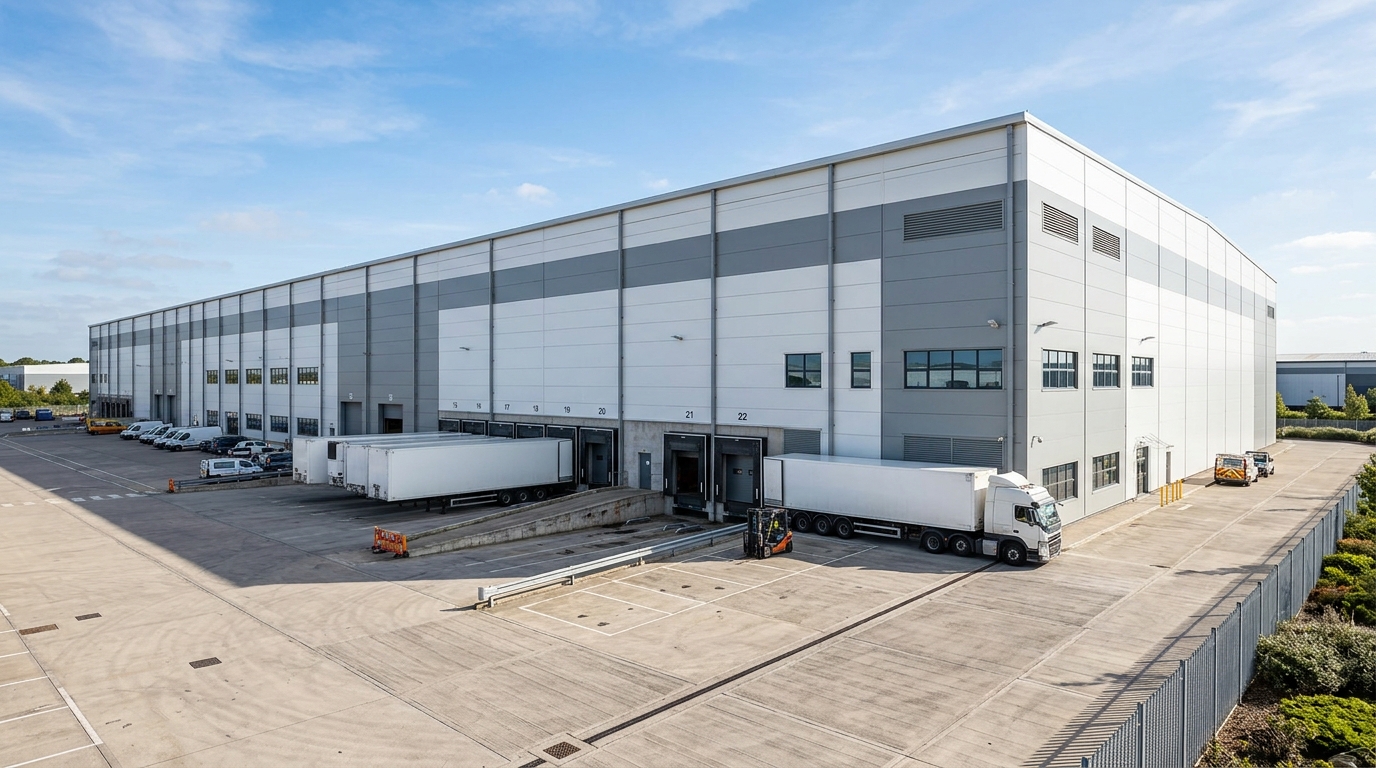
What Are Outdoor Sandwich Panels and How Do They Differ from Indoor Panels
Outdoor sandwich panels are wall or roof panels with a metal skin specifically formulated for direct weather exposure. This skin usually carries an additional coating such as PVDF or PU, which resists UV rays far better than the standard polyester coating commonly used on indoor panels.
Another key difference lies in the jointing system and sealant. Outdoor panels require weatherproof silicone sealant at every joint to stop water from seeping into the panel core, a concern that matters far less for indoor panels that never face direct rain.
Types of Skin and Materials for Outdoor Panels
Several skin options are commonly used for exterior applications, each with different weather-resistance characteristics. Choosing the right skin will determine how long your building facade actually lasts in the field.
- Galvalume steel skin with PVDF coating, resisting color fade for 15-20 years in tropical climates.
- Steel skin with PU (polyurethane) coating, more economical but slightly lower UV resistance than PVDF.
- Aluminum composite skin, lightweight and corrosion-resistant, well suited for commercial building facades.
- PIR or rockwool core, chosen based on the building's fire-resistance and thermal insulation requirements.
For high-corrosion environments such as coastal areas or chemical industrial zones, combining aluminum or galvalume skin with a premium coating is a much safer choice than a standard skin.
Technical Specifications You Must Check
Before finalizing an outdoor panel, make sure the following specifications match your project site conditions and local building regulations.
- Minimum skin thickness of 0.4-0.5 mm for impact resistance and strong wind loads.
- Fire rating appropriate to the requirement, especially for industrial buildings and warehouses.
- Wind load rating matched to the maximum wind speed at the project location.
- Sealant and jointing system certified as watertight.
- Manufacturer coating warranty, ideally at least 10 years for PVDF.
Thickness and wind load details should be confirmed directly with the technical team, since every project faces different wind loads and rainfall depending on its geographic location.
Beyond these technical specs, also check the panel's fixing method to the structural frame. Concealed fastener systems generally resist leaks better than exposed fasteners because there are far fewer water entry points on the panel surface, especially for facades facing wind-driven rain.
Applications of Outdoor Sandwich Panels
Outdoor panels are widely used for factory facades, logistics warehouse cladding, loading dock canopies, and cold storage exterior walls that need double protection from weather and extreme temperatures. Much like in corrosion-resistant panel walls for chemical plants, choosing the right skin is what ultimately determines facade lifespan in harsh environments.
Beyond facades, outdoor panels are also commonly installed as open-yard partition walls and as covers over rooftop HVAC units, shielding equipment from direct rain without restricting airflow around it.
In warehousing complexes, outdoor panels are also popular for truck-parking canopy walls and open loading-dock areas, since their light weight speeds up installation compared to conventional materials like precast concrete or brick.
How to Choose the Right Outdoor Panel
Use the checklist below before finalizing your outdoor panel specification, so you avoid early repairs or replacement caused by corrosion or leaks.
- Check the site's weather history: rainfall, humidity, and distance from the coast.
- Make sure the supplier provides UV test data and a written warranty.
- Ask for sealant details at every panel joint.
- Compare total life-cycle cost, not just the price per square meter.
Corrosion problems from a wrong specification usually only become visible after 2-3 years of use. For a deeper look at the causes and prevention, also read this guide on the causes and prevention of sandwich panel corrosion to keep your building facade in good shape for longer.
Common Mistakes When Choosing Outdoor Panels
The most common mistake is picking a panel based on the lowest price without checking the manufacturer's weather-resistance test data. A panel with standard coating installed near the coast can start fading and corroding in under two years, far sooner than the warranty claims most sellers offer.
Another mistake is ignoring joint and flashing details around window openings, doors, or building corners. These points are the most vulnerable to water leaks if the sealant isn't installed correctly by a team experienced with exterior projects.
- Don't compare price per square meter alone without checking coating specifications.
- Make sure the contractor has experience installing panels in open-air areas, not just interiors.
- Ask for a written warranty covering joint leaks, not just the panel material itself.
Avoiding these three mistakes can significantly extend your facade's service life while lowering annual maintenance costs compared to a project that simply picks the cheapest panel available.
FAQ About Outdoor Sandwich Panels
How long do outdoor sandwich panels last?
With PVDF coating and correctly installed sealant, outdoor sandwich panels typically last 15-20 years in tropical climates before the coating needs refinishing.
What's the difference between PVDF and PU coating for outdoor panels?
PVDF offers better long-term UV and color resistance, while PU is more economical but needs refinishing sooner under intense direct sunlight exposure.
Can outdoor panels be used for both roofing and walls?
Yes, as long as the profile and skin thickness match the wind load and roof slope recommended by the manufacturer to prevent water pooling at the panel joints.
How much annual maintenance does an outdoor sandwich panel need?
Maintenance costs stay low when the specification is right from the start, usually limited to periodic surface cleaning and a sealant condition check every 1-2 years.