

Hospital Panels for Medical Facilities: The Short Answer
Hospital panels are modular wall and ceiling systems designed for healthcare environments that require hygiene, clean detailing, and fast installation. Compared with brick walls and conventional wet finishing, hospital panels provide smoother surfaces, tighter joints, easier cleaning, and a much shorter construction timeline. That is why they are widely used in operating theatres, ICUs, isolation rooms, laboratories, pharmacies, and other controlled medical areas.
In real projects, the decision to use hospital panels is not only about appearance. Facility owners evaluate contamination risk, renovation downtime, HVAC efficiency, fire resistance, maintenance effort, and long-term operating reliability. When the goal is to build a clean, professional, and quickly commissioned medical room, hospital panels usually outperform conventional wall systems.
What Are Hospital Panels?
Hospital panels are prefabricated modular panels made with coated metal skins and an insulating core. The system is developed to create medical interiors with neat joints, minimal gaps, and surfaces that can be sanitized repeatedly without difficult maintenance. Depending on the room type, the panels are integrated with hermetic doors, flush windows, aluminum coving, and modular ceiling systems.
Unlike masonry walls, which require plastering, skim coating, sanding, and painting, hospital panels arrive as finished components. This gives the project a more predictable surface quality from the start. The installation team assembles the panels on site, aligns the joints, and coordinates utilities and accessories according to the shop drawings.
- PIR: preferred when high thermal efficiency is required.
- PU: a versatile option for many healthcare rooms.
- Rockwool: commonly selected when fire performance is the priority.
Why Healthcare Projects Move to Modular Systems
Hospitals cannot be treated like ordinary commercial buildings. Renovation often happens while adjacent areas remain active. Dust, wet work, noise, and a long installation window can disrupt patients, doctors, and operations. Modular systems reduce that burden because installation is cleaner and significantly faster.
Healthcare audits are also more demanding than standard fit-out inspections. Rooms that are easy to clean, less prone to cracking, and free from dust traps are easier to maintain over time. For operators, this reduces repair cycles and helps preserve room quality after handover.
Main Advantages of Hospital Panels
1. Hygienic surfaces that are easier to sanitize
Hospital panels provide flat surfaces and well-controlled joints, which means dirt, residue, and microbes have fewer places to accumulate. In treatment and clean areas, this matters because cleaning is frequent and compliance expectations are high. A properly detailed panel system supports routine sanitation much better than many conventional finishes.
2. Faster installation and shorter downtime
Because the system is prefabricated, site work is quicker than brick-and-plaster construction. This matters during hospital renovation, where every extra day of shutdown affects service availability and project cost. Faster installation often translates directly into earlier commissioning and lower disruption.
3. A cleaner and more professional visual result
The consistent appearance of modular panels creates a modern and controlled medical environment. That visual quality is important for private hospitals, specialty clinics, and laboratories that want to build trust from the first impression. Flush integration also helps with doors, lighting, observation windows, and service points.
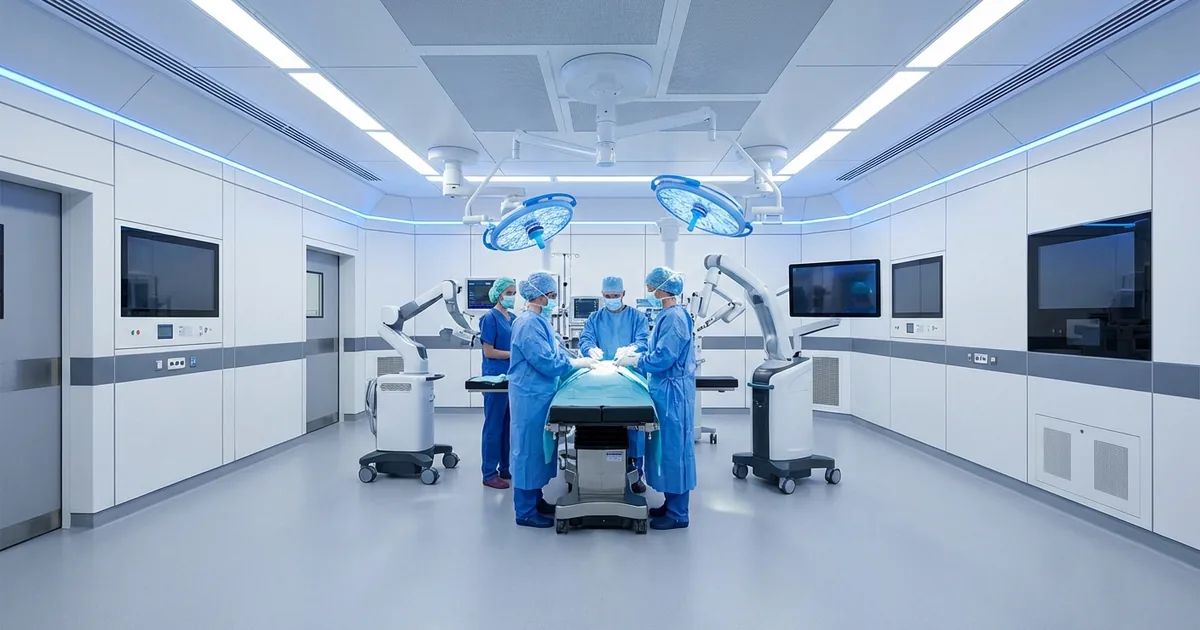
Where Hospital Panels Are Commonly Used
Hospital panels are not limited to operating rooms. They are applied across many critical zones that need cleanliness, controlled air conditions, and practical maintenance. The exact specification depends on the room function, pressure requirements, utility routing, and cleaning protocol.
- Modular Operating Theatre for sterile surgical environments.
- ICU, NICU, and isolation rooms where hygiene and comfort are essential.
- Laboratories and pharmacy rooms that need smooth, washable surfaces.
- CSSD and sterilization areas with intensive operational use.
- Aesthetic clinics and procedure rooms that need a clean, premium finish.
If you are comparing panel-based renovation strategies, review the wider project cost impact in this sandwich panel renovation comparison to understand how speed affects total project value.
Hospital Panels vs Conventional Walls
Conventional masonry remains familiar and widely available, but it is not always ideal for controlled medical interiors. Wet trades increase time on site, finishing quality varies with workmanship, and long-term cracks or repainting can become recurring maintenance items. These issues are manageable in ordinary buildings, but less desirable in healthcare spaces.
Hospital panels offer a more controlled result because manufacturing happens in the factory. Installation generates less mess, coordination is easier, and the finished room is more predictable. For fast-track healthcare projects, this difference has a real operational value.
| Aspect | Hospital Panels | Conventional Walls |
|---|---|---|
| Installation speed | Fast, modular assembly | Slower, multiple wet processes |
| Site cleanliness | Cleaner and lower dust | More debris and dust |
| Maintenance | Easier to clean | Finishes may crack or wear sooner |
| Renovation downtime | Usually shorter | Usually longer |
What Determines the Right Hospital Panel Specification?
Not every healthcare project needs the same configuration. Panel thickness, core material, coating type, joint details, and door integration should be selected according to the function of the room. An operating theatre will not have the same priorities as a consultation room or a public corridor.
Mechanical and electrical coordination is equally important. The design needs to account for HVAC, pressure control, cable pathways, headwalls, lighting, and service penetrations. A good panel system does more than cover the wall. It creates a clean envelope that supports utilities without producing hard-to-clean improvised details.
- The room classification and required hygiene level.
- Fire safety targets and regulatory requirements.
- HVAC performance, room pressure, and temperature stability.
- Doors, windows, lighting, gases, and medical utility coordination.
For teams comparing building systems more broadly, this article about the advantages and trade-offs of sandwich panels can help frame procurement discussions.
If thermal control is part of your evaluation, review the cold storage panel solutions to compare insulation-focused systems and detailing expectations.
Project Cost and Long-Term Return
The initial cost of hospital panels may look higher than basic masonry if the comparison only focuses on raw material price. That is rarely the right way to evaluate a medical project. The real calculation should include installation time, labor intensity, site cleanliness, finishing corrections, downtime, and future maintenance.
In many healthcare projects, hospital panels deliver a stronger total cost of ownership. Cleaning is easier, the risk of cracking is lower, and rooms can be commissioned earlier. For owners who value speed and reliability, the long-term return often justifies the system very clearly.
Common Mistakes When Choosing Hospital Panels
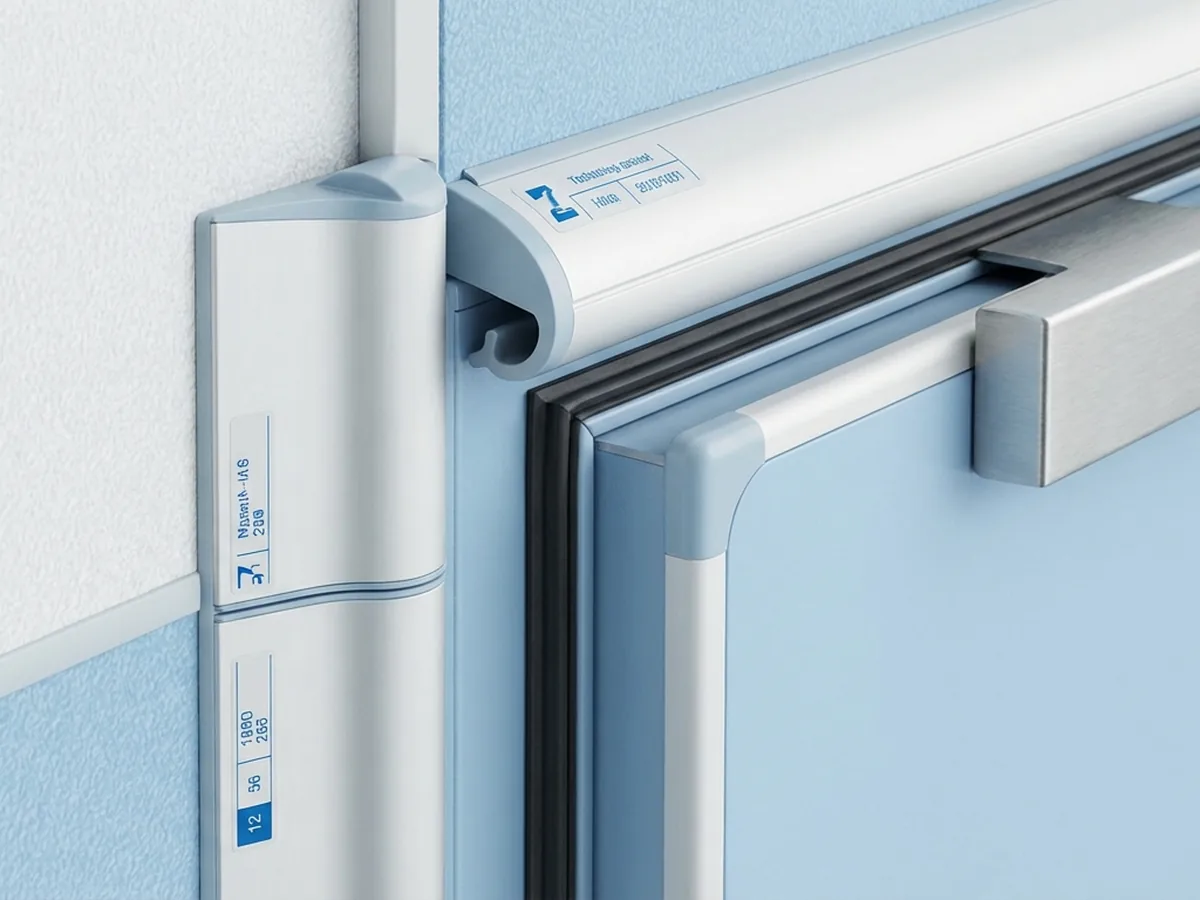
One of the most common mistakes is choosing a panel only by price per square meter. That usually ignores joint detailing, accessory compatibility, coating quality, and the experience of the installation team. The room may still be completed, but maintenance becomes harder and the final result may fail internal expectations.
Another mistake is delaying coordination between the panel layout, doors, HVAC, and medical utilities. Late coordination leads to improvisation on site, and improvised details are exactly what makes a medical room harder to clean and less professional in appearance.
- Selecting a specification without matching the actual room function.
- Ignoring joints, corners, coving, and flush accessory details.
- Starting without clear utility shop drawings.
- Using contractors without modular healthcare experience.
Pre-Renovation Checklist for Medical Rooms
Before construction begins, owners should prepare a clear room brief, target schedule, hygiene expectation, and user workflow. That makes it easier for the supplier and contractor to recommend the right panel system. Without a disciplined brief, revisions become more frequent and coordination cost rises quickly.
If the renovation happens in an active building, the project team also needs a plan for work isolation, material flow, operating hours, and cleanliness control. Hospital panels help accelerate the project, but the best result still depends on structured planning and strong execution.
For broader comparison, you can also review this lightweight building system comparison so the design decision is not reduced to a single variable.
You can also explore the modular operating theatre category for a clearer view of integrated solutions used in modern surgical projects.
Hospital Panel FAQ
Are hospital panels suitable for renovating older hospital buildings?
Yes. Hospital panels are well suited for older buildings because the system is modular, clean, and relatively fast to install. That helps reduce disruption while allowing critical rooms to be upgraded with a more controlled finish.
How long do hospital panels last?
With the right specification and routine maintenance, hospital panels can perform for many years. Service life depends on the material quality, room environment, cleaning method, and the quality of installation around joints and accessories.
Are hospital panels fire resistant?
Fire performance depends on the selected core material and full system design. Rockwool is often chosen when higher fire resistance is required. Final specification should always follow project requirements and applicable regulations.
Are hospital panels easy to maintain?
Yes. Ease of maintenance is one of the biggest reasons healthcare projects use panel systems. Smooth surfaces and properly detailed joints make routine cleaning easier than conventional walls that may crack, absorb dirt, or age unevenly.
Need the Right Hospital Panel Recommendation?
If you are planning a modular operating theatre, isolation room, laboratory, or another medical renovation, the best starting point is a clear review of room function and operational target rather than material price alone. The right team will help define the panel type, joint details, accessories, and installation sequence so the room is delivered quickly and cleanly.
Need a fast estimate or a technical discussion? Contact Sandwich Panels Indonesia to review hospital panels, hermetic doors, and modular medical room systems for your project.