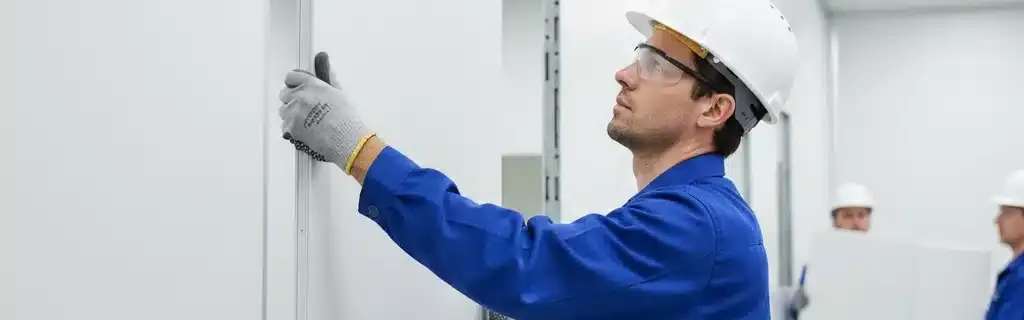

The Problem of Leaking Sandwich Panel Walls
Leaking sandwich panel walls are a common issue faced by warehouse owners, factory managers, and cold storage operators. When heavy rain falls, water seeps through panel joints, causing puddles on the floor, damage to stored goods, and even electrical hazards. This problem not only disrupts operations but can also reduce the lifespan of your building structure.
Many industrial facility owners complain that wall panels installed just a few months ago are already showing signs of leakage. This phenomenon can actually be prevented if you understand the main causes and implement the right solutions from the initial installation.

Causes of Leaking Sandwich Panel Walls
Wall sandwich panel leaks are generally caused by several technical factors. Understanding these causes is important so you can prevent or fix problems effectively.
Improper Panel Joints
Panel joints are the most vulnerable points for leaks. If the locking system or overlap is not installed correctly, small gaps become pathways for water entry. This issue often occurs with rushed installations or when using less experienced workers.
Sealant or Silicone Issues
Using low-quality sealant or uneven silicone application can cause leaks. Sealant that has hardened or cracked due to sun exposure also loses its ability to hold water. Some cases show sealant was not applied to all joints, leaving vulnerable areas.
Incorrect Slope or Drainage
Walls should be designed so that rainwater does not linger. If there are horizontal surfaces or incorrect slopes, water will pool and slowly seep in. This often happens at window sills, wall corners, or areas where walls meet the roof.
Physical Panel Damage
Impacts during construction, scratches from heavy equipment, or corrosion on protective coatings can damage panel integrity. Even small damage can become a significant water entry point during the rainy season.
Material Expansion and Contraction
Daily temperature changes cause panel materials to expand and contract. If there is insufficient expansion space or the joint system is not flexible, this repeated pressure will create new gaps in sealant and panel joints. This phenomenon often occurs in areas with extreme temperature variations between day and night.
- Panel joints not tight or locking system failure
- Low-quality sealant or uneven application
- Poor drainage design causing water pooling
- Physical panel damage during installation
- Material expansion and contraction creating gaps
Practical Solutions for Leaking Sandwich Panel Walls
After identifying the cause of the leak, the next step is to implement appropriate solutions. There are two approaches: emergency repairs and permanent solutions.
Emergency Repairs During Rainy Season
If a leak occurs while rain is falling, you need quick action to prevent further damage. Use temporary waterproof tape on leaking areas, or install tarps as emergency water barriers. Place buckets or containers under leak points to anticipate seepage.
Effective Permanent Solutions
For long-term repairs, replace sealant on all joints using high-quality products that are UV and extreme weather resistant. Re-check the panel locking system and ensure each joint is installed tightly. In cases of severe panel damage, replacement of affected panels may be necessary.
For large projects or if you are unsure about the technical condition of your walls, consult with a professional sandwich panel contractor. They can conduct a thorough audit and provide proper repair recommendations.
Anti-Leak Sandwich Panel Options for Walls
Choosing the right panel from the start is the best investment to prevent leakage problems. Here are the characteristics of ideal panels for leak-resistant walls:
Hidden Screw System Panels: Hidden screw systems significantly reduce water entry points. These panel types have tighter interlocking mechanisms and better aesthetics.
Appropriate Thickness: For exterior walls, choose panels with a minimum thickness of 50mm to 100mm. Thicker panels provide better structural stability and space for adequate sealant.
High-Quality Coating: Ensure panels have protective layers such as PVDF or HDP that are corrosion and UV resistant. These coatings protect the panel surface from damage that could cause leaks.
Learn more about various types of sandwich panels and their specifications to choose the most suitable one for your project needs.
Mistakes to Avoid During Repairs
When repairing leaking sandwich panel walls, avoid these common mistakes that often worsen the problem:
Ignoring Comprehensive Inspection: Do not just repair visible leak points. Conduct a comprehensive inspection of the entire wall because there are often multiple points of failure that have not been detected.
Using Cheap Sealant: Being tempted to save costs with generic sealant is a big mistake. Low-quality sealant will leak again within a few months, forcing you to repair repeatedly.
Repairing Without Understanding the Cause: Do not just patch without identifying the root cause. If poor drainage is the cause, merely patching sealant will not solve the long-term problem.
FAQ: Common Questions About Leaking Sandwich Panel Walls
How long does sealant on sandwich panels last?
Good quality sealant generally lasts 5-10 years depending on weather conditions and UV exposure. Cheap sealant can start cracking within 1-2 years. Conduct routine inspections every 6 months for early damage detection.
Are all types of sandwich panels prone to leaking?
No. Panels with hidden screw systems and good interlocking are much more leak-resistant compared to conventional panels with visible screws. Proper panel selection and professional installation greatly determine resistance to leaks.
How much does it cost to repair leaking sandwich panel walls?
Costs vary depending on the area size and damage level. Simple sealant repairs can start from a few million rupiah, while panel replacement can reach tens of millions. Investment in quality installation from the start is much more economical than repeated repairs.
Conclusion and Next Steps
Leaking sandwich panel wall problems can be prevented and addressed with proper understanding of causes and solutions. From selecting quality panels, professional installation, to routine maintenance, each step contributes to your wall's resistance to water seepage.
If you are planning new warehouse, factory, or cold storage construction, make sure to work with experienced contractors who understand the importance of technical installation details. For facilities already in operation and experiencing leak problems, do not delay repairs because damage can spread and repair costs will become increasingly expensive.
Need technical consultation or a quote for your sandwich panel project? Contact the SandwichPanels.id team for the right solution with warranty. We provide free on-site surveys to help you identify problems and determine the best solution.