

The Heat Challenge in Indonesian Factories and Warehouses
Operating a factory or warehouse in Indonesia is often a major challenge due to extreme solar heat exposure. Indoor temperatures can reach 35 to 40 degrees Celsius, especially if the building uses conventional uninsulated zinc or asbestos roofing. This condition not only makes employees uncomfortable but also directly impacts a decline in labor productivity and potential damage to temperature-sensitive stock items.
Single-skin metal roofs act like heat conductors. Solar energy is absorbed by the metal plates and radiated directly into the workspace below. While the use of turbine ventilators or high-volume low-speed (HVLS) fans can help with air circulation, these tools do not stop the incoming heat radiation. A more fundamental solution is to break this heat transfer chain using high-quality insulation materials like sandwich panels.
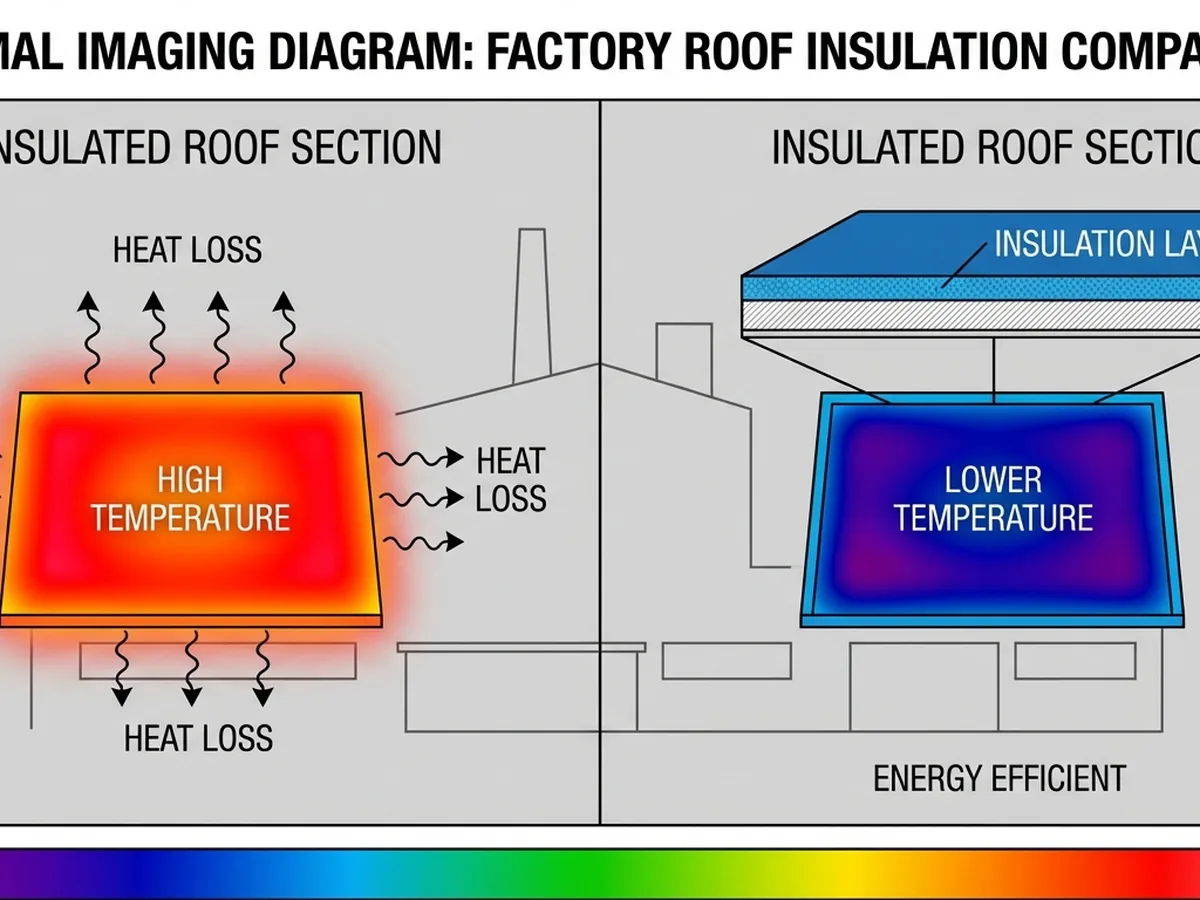
Why Sandwich Panels are the Best Solution?
Sandwich panels are designed with a three-layer structure: two layers of PPGI steel plates sandwiching an insulation material core. This structure creates a very effective thermal barrier. Compared to installing a metal roof and then manually adding extra insulation, sandwich panels are much more efficient and durable.
1. Thermal Insulation Efficiency (High R-Value)
Materials such as Polyurethane (PU) or Expanded Polystyrene (EPS) have very low thermal conductivity. This means heat from the outside is trapped in the core layer and does not propagate into the room. Buildings using sandwich panels can have temperature differences of up to 7-12 degrees Celsius lower than conventional buildings.
2. Electricity Cost Savings
For industries using air conditioning (AC) or chillers, incoming heat is the primary enemy of operational costs. By using sandwich panels, the cooling system's workload is drastically reduced because the room temperature is more stable. This means your monthly electricity bills can be significantly lowered.
Comparison: Sandwich Panels vs Other Insulation Methods
Many factory owners consider various insulation options before deciding. Here is an objective comparison between sandwich panels and other popular methods:
Sandwich Panels vs Manual Glasswool/Rockwool
Conventional methods often use regular zinc roofs lined with glasswool and held by wire mesh. The downside is that glasswool tends to absorb moisture and can sag over time, reducing insulation effectiveness. Sandwich panels integrate insulation and roofing into a rigid unit, eliminating sagging risks and offering a much neater aesthetic.
Sandwich Panels vs Aluminium Bubble Foil
Bubble foil works by reflecting heat radiation but does not effectively stop heat conduction. If the zinc roof gets hot, the heat will still transfer downwards. A 50mm thick sandwich panel has insulation mass that physically blocks heat transfer, not just reflects it. For factories with high heat loads, bubble foil is often insufficient.
Sandwich Panels vs Turbine Ventilators
Turbine ventilators remove hot air trapped under the roof but do not prevent heat from entering. These tools are effective as supplements but not as insulation replacements. The best combination is using sandwich panel roofing to stop heat entry and adequate ventilation for air circulation.
Steps to Tackle Heat with Sandwich Panels
If you plan to renovate or build a new factory, here are the suggested steps:
- Evaluate Building Size and Type: Determine if you need panels for the entire roof or only specific areas.
- Choose the Right Core Type: For maximum insulation in general warehouses, 50mm EPS is sufficient. However, for cold storage or areas with high heat risks, use PU or Rockwool.
- Retrofitting Old Roofs: You can install sandwich panels over existing purlin structures to replace the old roofing.
For more information on technical specifications, you can visit our sandwich panel products page or view various construction projects we have completed throughout Indonesia. Choosing the right thickness is crucial for your energy targets.
Conclusion
Investing in sandwich panels is not just about comfort; it's about long-term operational efficiency. Controlled temperatures will maintain product quality and employee mental health. Don't let your business be hampered by heat issues that can be solved with modern material technology.
Frequently Asked Questions (FAQ)
Many factory owners hesitate to switch to sandwich panels because they don't fully understand the technical characteristics. Here are answers to common questions:
1. Is it noisy during rain?
No. On the contrary, the foam core (EPS/PU) acts as an excellent natural sound dampener. During heavy rain, the sound of water hitting the metal roof is muffled by the thick foam layer, making the factory interior much quieter compared to regular single-skin metal roofs.
2. How long does it last?
Modern sandwich panels use Galvalume or Galvanized steel plates with high-grade polyester paint. With reasonable maintenance (like cleaning gutters), these roofs can last over 15 to 20 years without significant corrosion, even in Indonesia's humid tropical climate.
3. Are sandwich panels fire-resistant?
It depends on the core type. Standard EPS is Fire Retardant (self-extinguishing if the fire source is removed). However, if your factory has high fire risks, we strongly recommend Rockwool cores, which are Non-Combustible and can withstand temperatures up to 1000°C.
4. Is installation difficult and time-consuming?
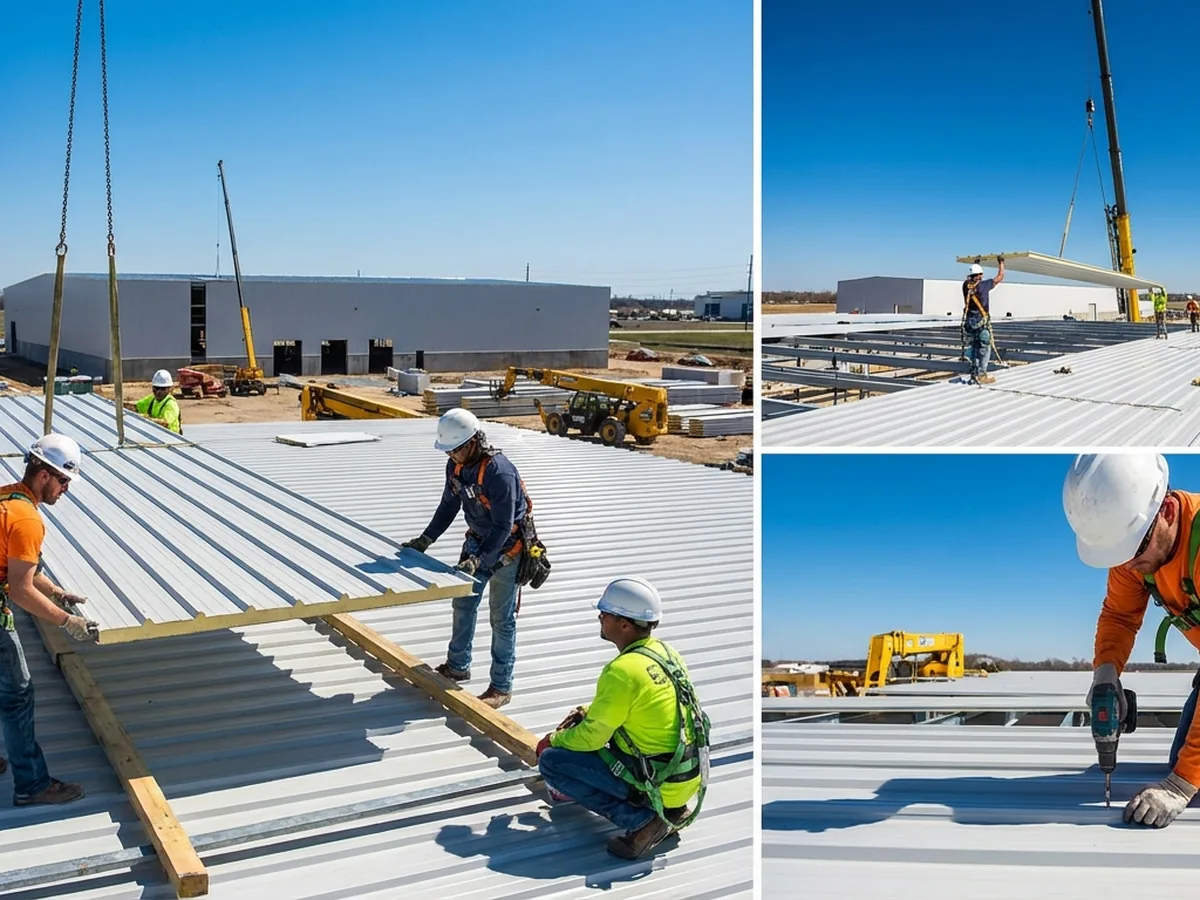
Installation is actually 50% faster than conventional roofing plus manual insulation. Panels are factory-produced to custom lengths, so on-site work is simply assembling the joint system. This saves significant labor costs and project time.
5. Can they be installed on light steel frames?
Yes. EPS sandwich panels are quite lightweight (around 10-12 kg/m²), making them safe for light steel frames as well as heavy steel (WF), provided the purlin spacing is adjusted to the panel thickness to prevent sagging.
Maintenance Tips for Long-Lasting Roofs
To ensure your roof investment yields maximum results for decades, follow these simple maintenance steps:
- Check Gutters Regularly: Ensure no leaves or debris clog water flow, as standing water is a primary cause of corrosion at panel edges.
- Inspect Sealants: Every 1-2 years, check the silicone sealant condition at roof joints and flashings. If peeling occurs, re-seal immediately.
- Clean Surfaces: If your factory is in a dusty area, wash the roof with clean water once a year to rinse off corrosive residues.
- Avoid Excessive Loads: Use catwalks during maintenance to avoid direct pressure on the panel surface which can cause deformation.
Contact our expert team at sandwichpanels.id for a free consultation regarding your factory roof heat insulation solution.